

Singapore Launches Urban AI Testing Ground for Robots and Autonomous Systems
Singapore opens a 2km urban zone in one-north where robots and AI systems operate in real traffic and pedestrian conditions, backed by IMDA, A*STAR and enterprise partners.
By Clara Tan, Artificial Intelligence
4 min read
What changed
Singapore has opened a 2km urban corridor in the one-north business district as a dedicated testing ground for robots and autonomous AI systems operating in real-world conditions. The zone, announced on 26 November 2026, allows robots to navigate live traffic, pedestrian crossings and shared pathways alongside everyday users.
The initiative is led by the Infocomm Media Development Authority (IMDA) and the Agency for Science, Technology and Research (A*STAR), with participation from Boston Dynamics, Hyundai Motor Group and several Singapore-based robotics startups.
What the testing ground can do
Food delivery robots serve real customers
Boston Dynamics Spot robots equipped with cargo pods deliver meals from one-north canteens to office workers across the zone. In the first week, operators reported 120 completed deliveries with zero pedestrian incidents. The robots use onboard lidar and computer vision to yield at crossings and navigate around cyclists.
Security patrol units monitor the district
Hyundai's DAL-e service robots patrol designated routes, streaming 360-degree video to a central operations centre. The units flag unattended bags, blocked fire exits and unusual crowd formations. During a trial on 24 November, a DAL-e unit detected a smoke alarm trigger two minutes before the building system reported it.
Autonomous cleaning machines operate on schedule
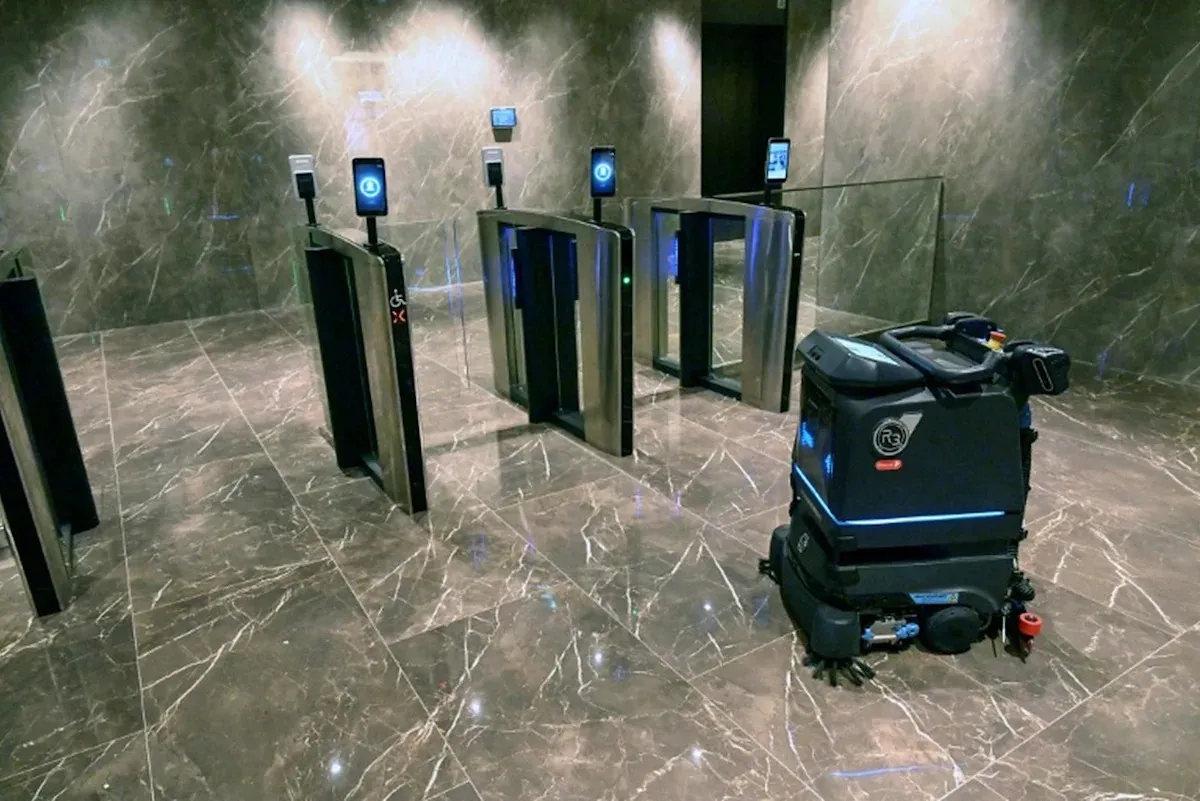
Local startup LionsBot deploys LeoTron floor scrubbers that map the zone's covered walkways and adjust cleaning paths around peak foot traffic. The machines recharge at solar-powered docks and report water usage and battery health via IMDA's shared data bus.
Limits and safeguards
Operators must carry a physical kill-switch and maintain 5G connectivity with IMDA's monitoring dashboard. Any robot that loses link for more than 10 seconds must stop and await manual recovery. The zone currently excludes heavy vehicle roads and MRT station entrances.
Weather remains a constraint: heavy rain degrades lidar performance and operators pause deployments during thunderstorms. IMDA publishes daily uptime metrics on its open data portal.
Why it matters
Singapore's approach differs from closed test tracks in the US and China by embedding robots in a live urban district from day one. The real-world data feeds directly into national standards for AI safety, liability frameworks and public acceptance metrics that other cities are watching.
What to watch
IMDA's first quarterly report on incident rates and pedestrian feedback (due February 2027)
Expansion plans to include autonomous shuttle trials on adjacent roads
Whether other ASEAN capitals adopt the same live-zone regulatory model
This story was first published by TechWhoKnows on 26 November 2026. Original: https://techwhoknows.com/tech/singapore-launches-urban-ai-testing-ground-for-robots-and-autonomous-systems
Sources
- 1France 24france24.com
- 2Emergent.sh summaryemergent.sh