Tech
Why NVIDIA Cosmos and Cadence Just Solved Robotics’ Biggest Problem
I’ve been watching the AI space obsessively for years, and while generative text and video are incredibly cool, I’ve always felt that the true endgame is Physical AI. It's one thing to make a chatbot write a poem; it's another entirely to get a humanoid robot to seamlessly pick up a fragile vial without crushing it or dropping it.
The roadblock? The physical world is messy. But based on the recent announcements coming out of GTC 2026, I genuinely believe the industry just crossed a massive inflection point.
The "Sim-to-Real" Headache
If you follow robotics, you know about the "sim-to-real" gap.
Historically, the way we train robots is by putting them in computer simulations so they can safely learn through trial and error. The problem is that when you take a robotic agent that performs flawlessly in a digital environment and put it in the real world, it often fails catastrophically.
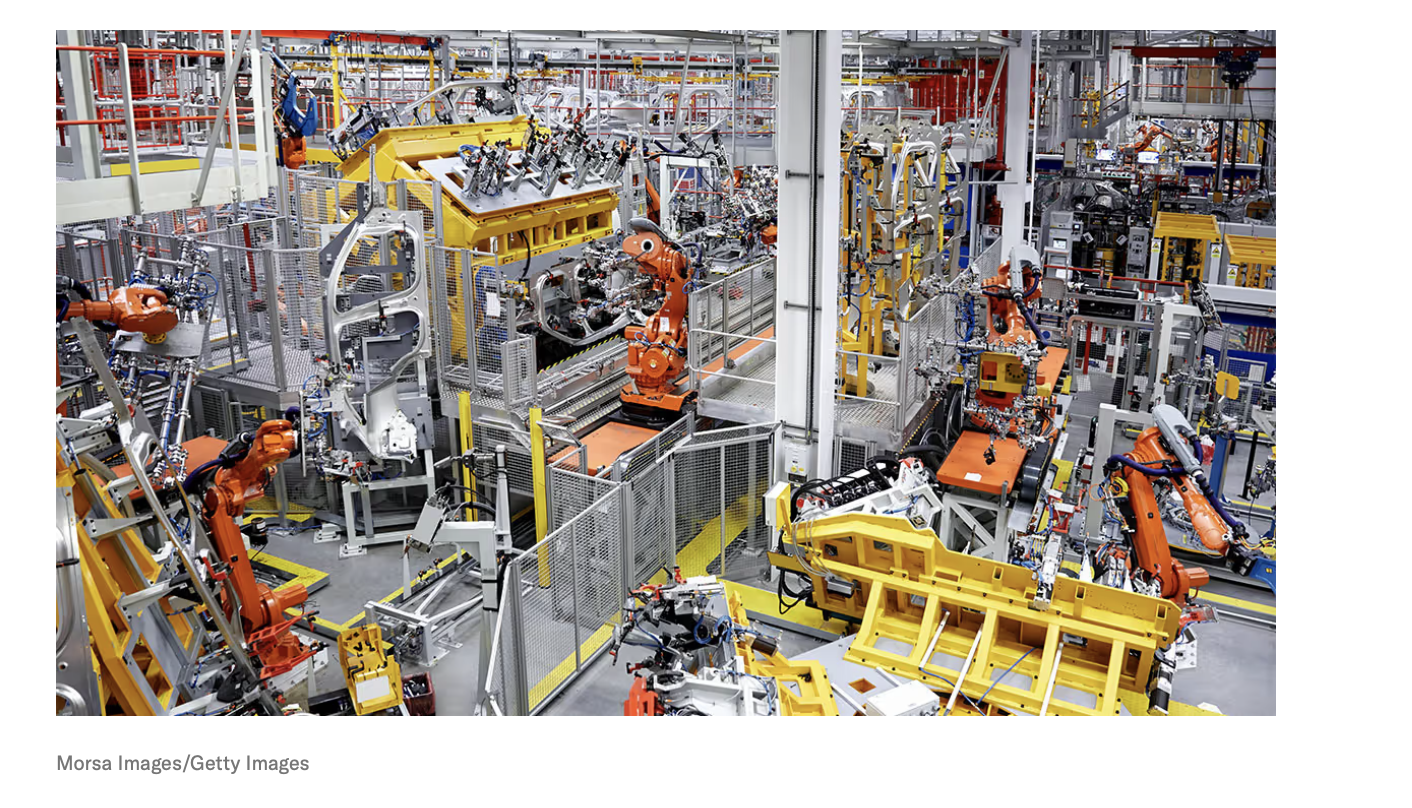
The real world has unpredictable friction, weird shadows, and micro-variations in gravity that standard digital twins simply couldn't account for. The data scarcity problem in physical robotics has been the ultimate bottleneck.
Unlike LLMs, which can scrape the entire internet for text, you can't just scrape the internet for physical robotic interactions.
You have to generate them.
NVIDIA Cosmos and the 10,000x Training Paradigm
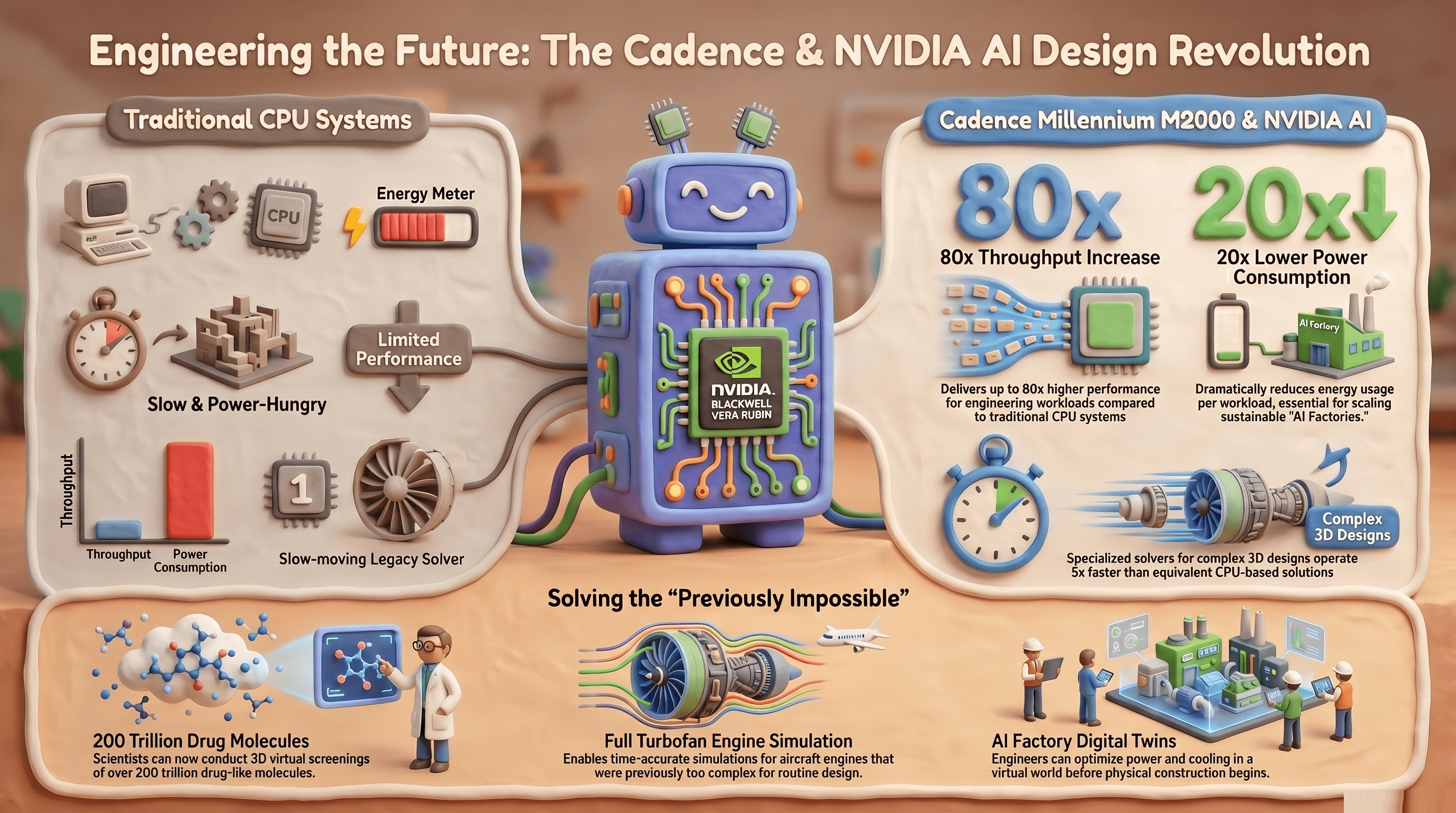
This is where the recent expanded strategic partnership between Cadence and NVIDIA completely changes the game.
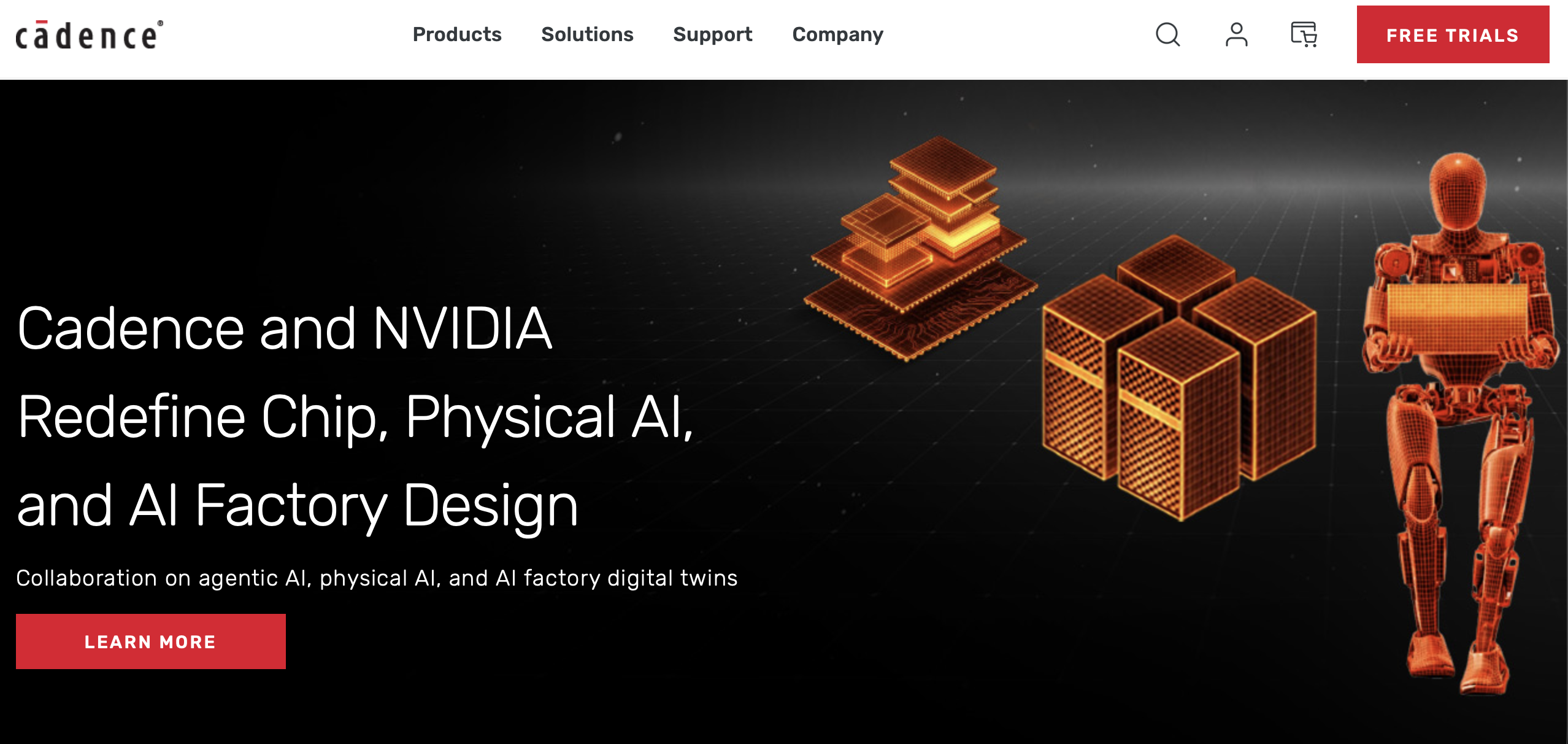
To fix the sim-to-real gap, NVIDIA is leveraging its Cosmos World Foundation Models. Think of Cosmos as an ultra-realistic, physics-grounded matrix for AI. With recent updates like Cosmos Predict 2.5 and Cosmos Reason 2, the platform doesn't just render a video of a room; it simulates the actual physical laws of that room. It can generate realistic synthetic video environments and future world states from multimodal inputs, injecting physical common sense into AI agents.
But NVIDIA isn't doing this alone. By integrating the Cosmos platform with Cadence’s high-fidelity multiphysics simulation engines and running it all on NVIDIA's Blackwell architecture, they are essentially scaling synthetic data generation and reasoning.
The result?
What industry insiders are calling the 10,000x Training Paradigm. Developers can now compress years of physical trial-and-error experience into mere days of highly parallelized virtual iteration.
Why Agentic AI Needs a Physics Engine
In my opinion, this convergence is the most important tech story of the year. We are officially witnessing the industrialization of robotic intelligence.
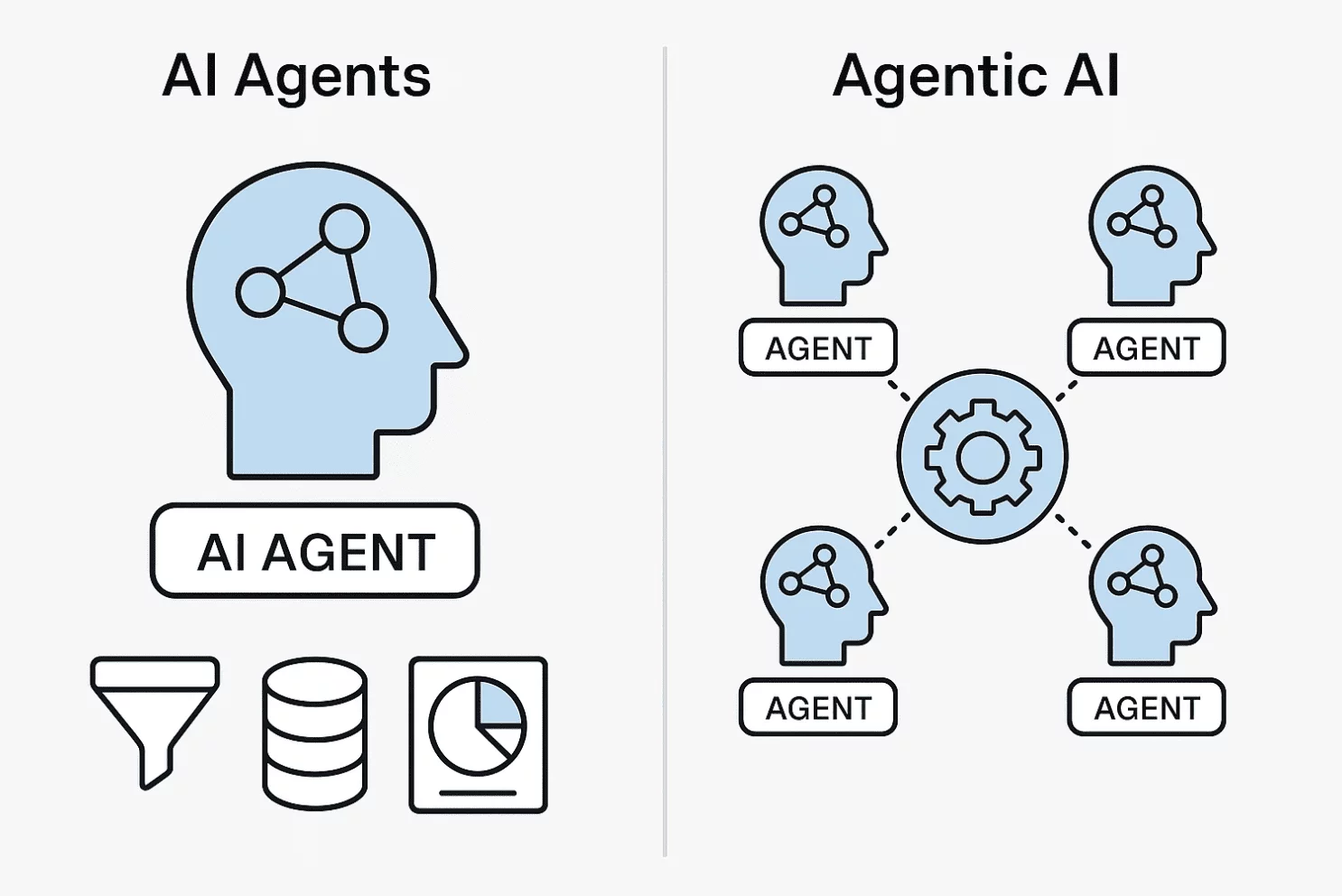
Agentic AI is useless in a physical body if it doesn't intuitively understand how the physical world reacts to its actions. By giving these vision-language-action (VLA) models a robust, physically accurate sandbox to play in, Cadence and NVIDIA are essentially giving robots a "physics engine" for their brains.
If we want autonomous vehicles to handle edge cases without crashing, or factory robots to dynamically adapt to new assembly lines, they need this level of deep, physics-based simulation.
We are finally moving past the era where robots are just pre-programmed machines. Physical AI has arrived, and it's bringing the real world online.
References
- 1.https://thenextweb.com/news/cadence-nvidia-robotics-physics-simulation-ai
- 2.https://www.businesswire.com/news/home/20260415332711/en/Cadence-and-NVIDIA-Expand-Partnership-to-Reinvent-Engineering-for-the-Age-of-AI-and-Accelerated-Computing
- 3.https://developer.nvidia.com/blog/advancing-physical-ai-with-nvidia-cosmos-world-foundation-model-platform/
- 4.https://developer.nvidia.com/blog/scale-synthetic-data-and-physical-ai-reasoning-with-nvidia-cosmos-world-foundation-models/
Share this post
Weekly Brief
Get the TWK Weekly Brief
One concise email each week covering the biggest tech and AI startup moves worth your time.
- IncludedTop stories distilled with plain-English context.
- IncludedStartup signals to watch: launches, funding and product shifts.
- IncludedLinks to source material so you can verify quickly.
Free. Unsubscribe anytime.
Read recent issues →Related Posts
More from Tech