Tech
Bye Bye Llama, Hello Muse Spark

TL;DR
Meta is betting that social context beats raw parameters, pivoting away from its open-source legacy to win the AI platform war through proprietary "personal superintelligence."
The AI Fatigue and the Sudden Spark
Following a bruising year where the Llama 4 "Maverick" models drew yawns from developers and accusations of benchmark gaming by scoring a dismal 18 on the Intelligence Index, Meta has finally drawn a line in the sand.
Skepticism toward raw model scaling has reached a fever pitch, but the social media giant’s latest release, Muse Spark (formerly codenamed "Avocado"), represents an aggressive 52-point jump in intelligence that demands attention.
Launched by the newly formed Meta Superintelligence Labs (MSL) under the leadership of Alexandr Wang, Muse Spark is a total rebuild of the company’s AI stack. Meta is positioning this as the first step toward "personal superintelligence," moving past the generic "chat with the web" era to an assistant that actually understands the specific context of your social existence.
Takeaway 1: Small is the New Big
In a departure from the "brute-force" philosophy of Llama 4 Maverick, Muse Spark is lean by design.
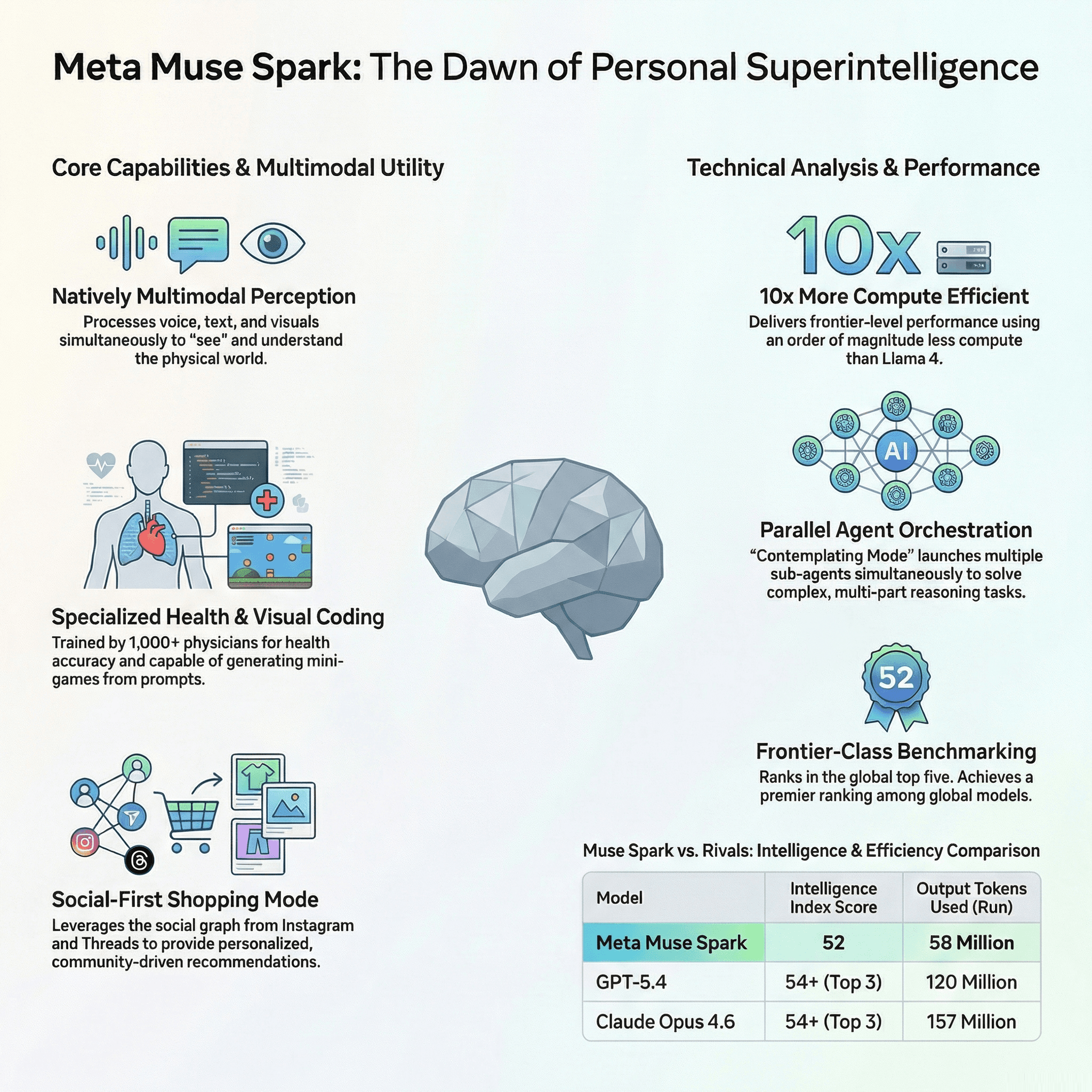
The metric I’m watching is the compute ratio. Meta claims Muse Spark delivers frontier-class results while using ten times less training compute than Maverick.
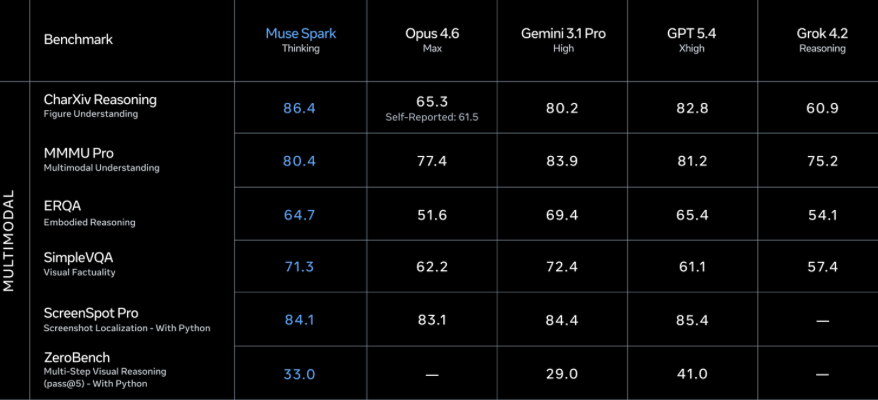
The breakthrough here is "thought compression." While competitors like GPT-5.4 and Claude Opus 4.6 burn through massive token counts (120 million and 157 million, respectively) to complete complex index runs, Muse Spark utilized only 58 million. This is an architectural phenomenon where the model initially "thinks longer" to improve reasoning, but then applies a length penalty to compress that reasoning into fewer tokens. This pivot suggests Meta is choosing to compete on "test-time reasoning" efficiency to solve the industry’s massive latency problem.
Takeaway 2: Natively Multimodal
Muse Spark is natively multimodal, meaning it processes text, voice and visuals simultaneously rather than stitching disparate models together.

Meta also worked with over 1,000 physicians to train the system’s health reasoning layer. This allows Muse Spark to handle specialized tasks like analyzing scientific charts or providing detailed responses to medical queries involving images. It marks the transition from an AI that waits for your explanation to one that "looks at the world with you."
Takeaway 3: The Social Graph Advantage
The real differentiator that OpenAI and Google cannot replicate is the social graph.
Meta has integrated the meta_1p.content_search tool, allowing Muse Spark to query Instagram, Threads and Facebook posts for real-time social context.
Searching for travel tips now pulls public posts from locals; a new "Shopping Mode" leverages creator storytelling and styling inspiration from communities you already follow.
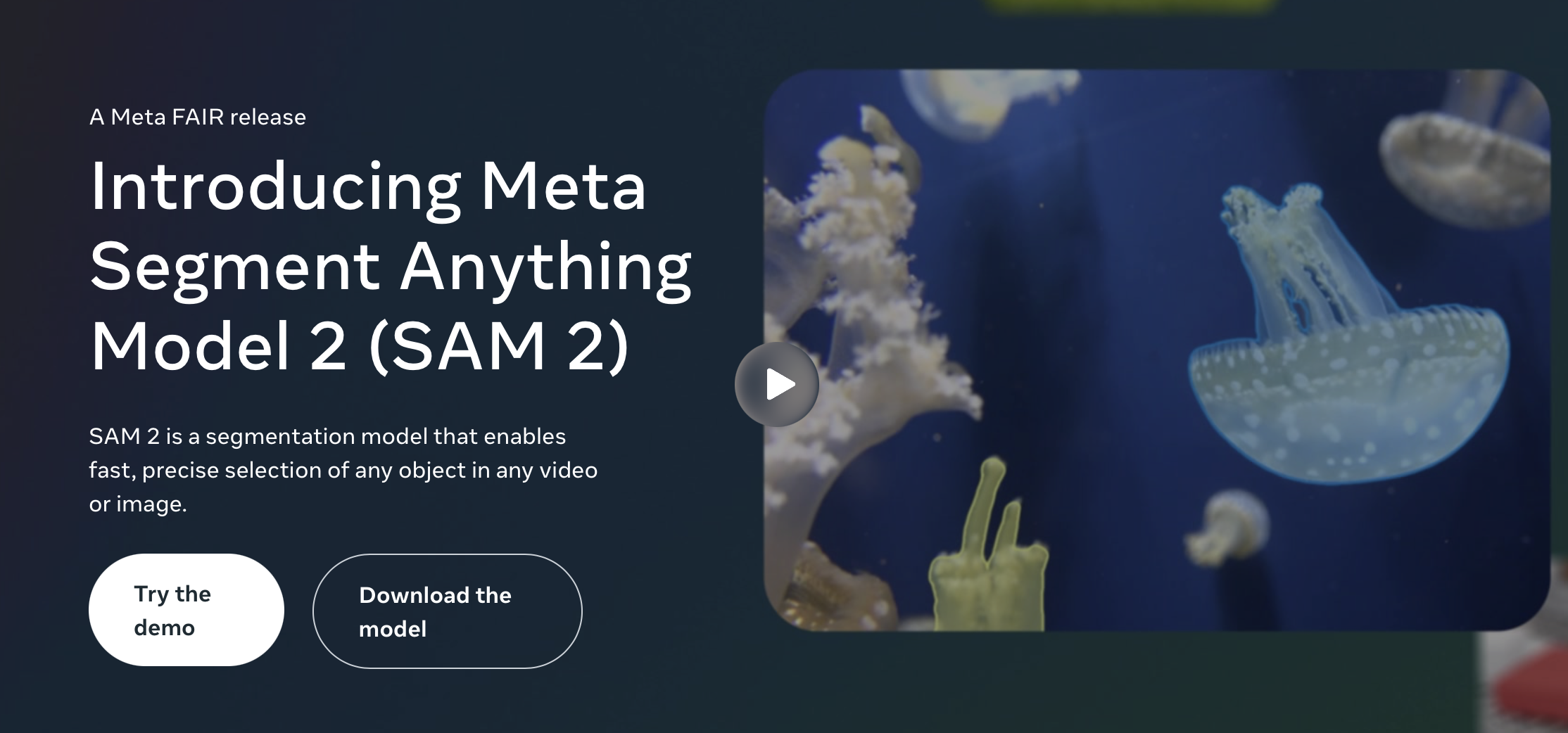
Looking at the tool architecture revealed in developer leaks, we also see integrations like container.visual_grounding (a Segment Anything implementation).
Meta is betting that an assistant plugged into your social graph is more valuable than one plugged into the open web.
Takeaway 4: The Power of Parallel Subagents
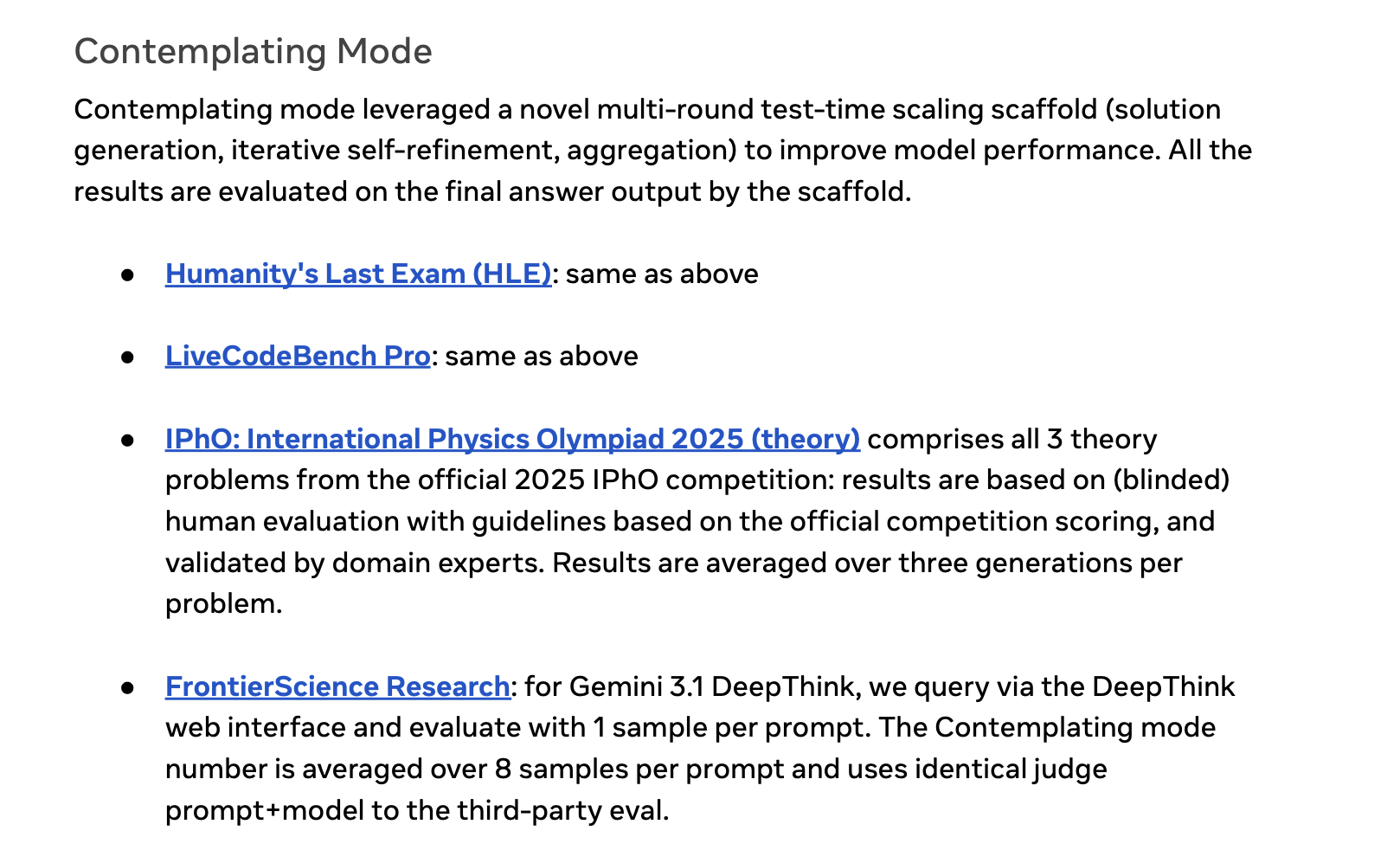
Meta has introduced a "Contemplating Mode" utilizing the subagents.spawn_agent architecture. This allows the model to break down complex prompts into sub-tasks and carry them out in parallel. In a scenario like planning a family trip to Florida, one subagent drafts the itinerary while another compares Orlando to the Keys and a third sources kid-friendly activities simultaneously.
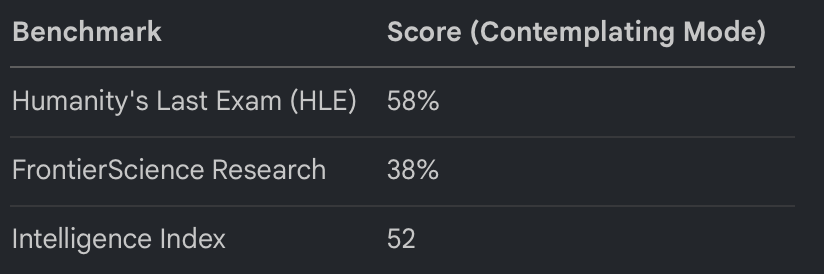
While Muse Spark excels in HLE and research, it still trails Claude 4.6 and GPT-5.4 in pure coding workflows and long-horizon agentic performance.
Takeaway 5: Goodbye, Open Weights?
For years, Meta was the poster child for the open-source movement. Muse Spark marks a calculated shift away from that legacy. The model is currently proprietary and closed-source, available only via Meta’s apps or a private API.
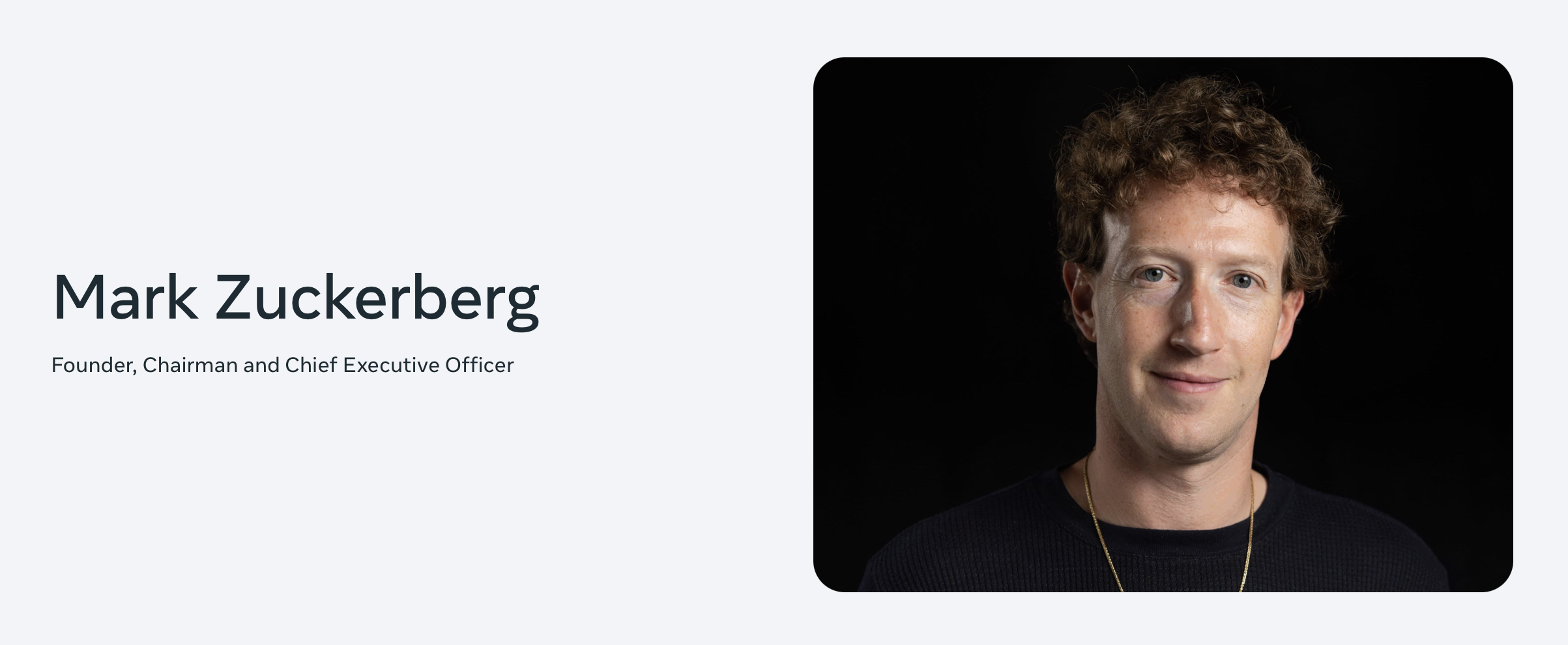
CEO Mark Zuckerberg reportedly adjusted this strategy because previous open-source releases failed to gain the strong traction Meta expected among developers. By moving to a hosted model, Meta bridges the enterprise trust gap by offering a controlled ecosystem, aligning itself with the proprietary models of Anthropic and OpenAI.
Takeaway 6: Enhancing vs. Displacing
The release of Muse Spark invites a deeper reflection on the "Authenticity Premium." In a world where AI can generate perfect outputs, we are seeing a shift in value toward the unique human voice.
Amit Gupta, founder of Sudowrite, famously compared this shift to the history of art:
Before photography, painting was largely about photorealistic portraiture. Photography didn't kill art. Instead, it pushed painters to find more abstract, expressive ways to create.
If you use Muse Spark’s subagents to brainstorm or run a Socratic process of iteration, you are enhancing your thought. If you let it generate a finished essay from one prompt, you are displacing the cognitive work.
Over-reliance kills creativity, which is what Gupta describes as mixing all colors together until you’re left with "drab brown" paste.
The Future of the "Thinking" Partner
Meta’s trajectory toward "Personal Superintelligence" is inextricably linked to their hardware strategy. As Muse Spark rolls out to Meta’s AI glasses, the perception capabilities described here will become even more powerful, turning the assistant into a literal second pair of eyes.
Meta is building a thinking partner that is an entity integrated into your daily life.
It leaves us with a haunting question: In an age where AI can query your social life and think in parallel, will we value the "perfectly crafted" output, or the messy human process behind it.