Tech
The End of "Wait and See": 06 Surprising Shifts Redefining Logistics by 2030

TL;DR
For decades, logistics has basically been one long exercise in firefighting. If you're a supply chain manager, you know the drill: hunched over spreadshee…
The Invisible Revolution
For decades, logistics has basically been one long exercise in firefighting. If you're a supply chain manager, you know the drill: hunched over spreadsheets, desperately patching holes every time a ship gets delayed or a consumer trend swerves out of nowhere. We saw this peak in 2024 when almost 80% of businesses got hit with major disruptions.
It proved what we already knew: our static networks are just too brittle.
But things are shifting toward a "liquid" network. By 2030, the best logistics teams won't be doing clerical triage anymore. Instead, they'll rely on a self-organizing supply chain. What’s driving this? AI agents. We aren't talking about a glorified chatbot or a helpful "copilot." We’re looking at semi-autonomous captains that can actually make independent decisions and execute them in real time.
The Rise of Agentic AI
Moving from basic automation to agentic AI means the old "if-then" era is dead. Traditional software sits around waiting for a human to program a rule for every possible scenario. Agentic AI acts like an autonomous captain. It manages tendering, deals with exceptions, and enforces policies without needing a human to click 'approve' every five seconds.
To make this actually work in a corporate setting without causing chaos, top-tier operators are using a "Safety Sandwich" architecture. Picture it like a reliability stack:
The Bread: Rigid, rule-based code that keeps everything compliant and within boundaries.
The Meat: The AI engine handling the heavy lifting and complex reasoning.
This gives you the speed of AI while respecting the hard realities of legal and operational policies. This shift completely flips the industry on its head; logistics is shedding its heavy clerical load and getting a strategic upgrade. As JBF Consulting pointed out, this tech is finally forcing planning and execution to play nice together:
"Agentic AI will act as an orchestration layer, dynamically closing the loop between planning and execution... Shippers will no longer separate 'what we want to do' from 'what we can actually do.' AI agents will ensure every plan reflects current execution realities, from fleet availability to port congestion."
Why "Throwaway Code" is Your New Secret Weapon
Custom code used to be an absolute nightmare for IT teams, just a massive pile of technical debt and vendor lock-in waiting to happen. But as we head toward 2030, that logic is entirely backwards. Thanks to GenAI and low-code platforms, companies are throwing together bespoke apps and connectors in days, not months.
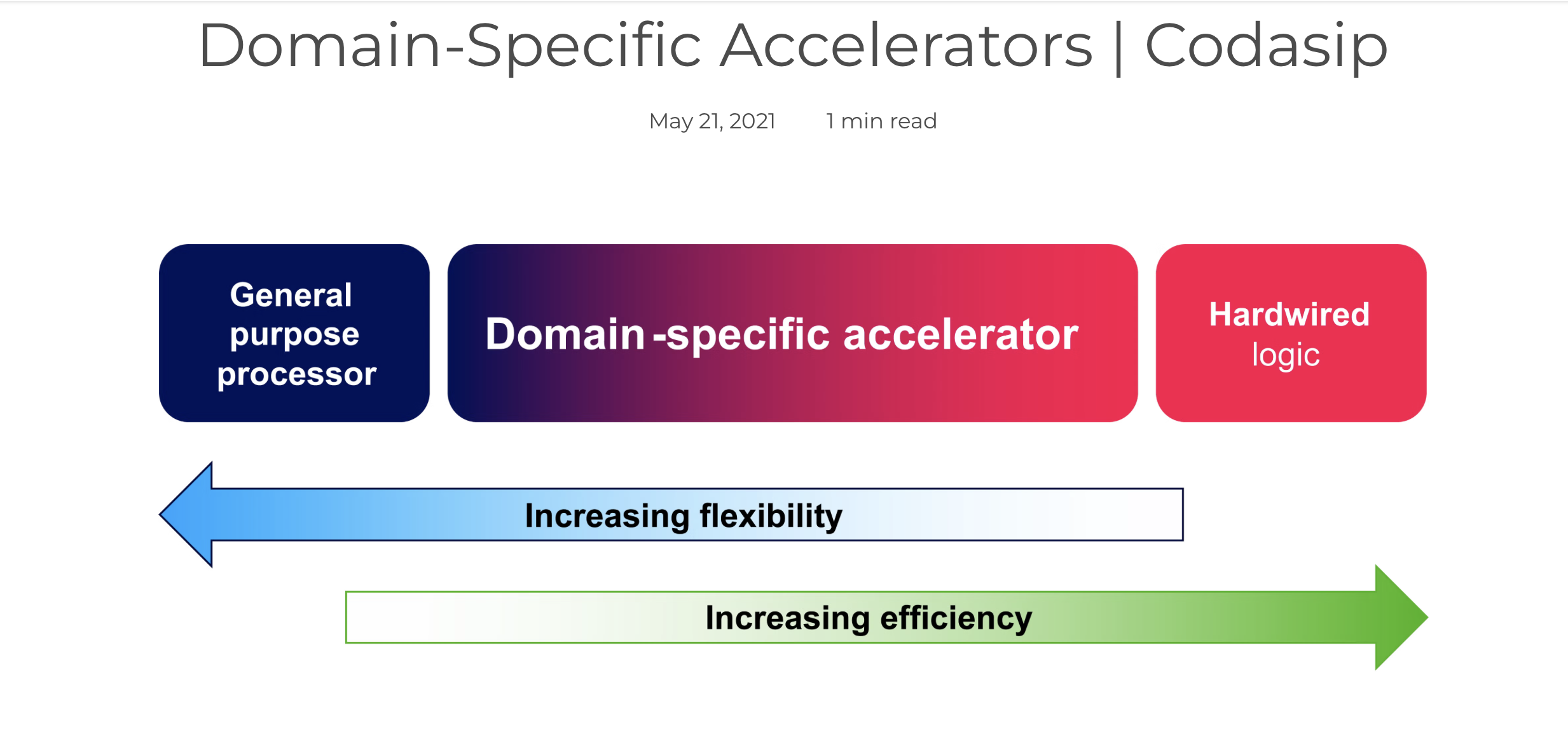
Welcome to the era of Domain Accelerators. Building custom tools makes sense again because AI makes it cheaper to spin up exactly what you need rather than spending years wrestling with a rigid vendor platform. These apps fit your business perfectly, even if you only end up using them for a year and a half. When the market is this volatile, the real value is in the business logic, not how long the software lasts. For today's CIOs, the new playbook is simple: prototype fast, replace often, and never let a software vendor’s roadmap dictate how agile you can be.
Why the Future of Warehousing is Dark and "Edge-Heavy"
The "dark warehouse" isn't just a futuristic sci-fi concept anymore; it's becoming an economic must-have. Companies like Terravault are already building "Dark Hubs" that run in pitch black, cutting utility bills by as much as 70%. Think about it: robots don't need oxygen, they don't care if it's freezing, and they definitely don't need the lights on. By dropping oxygen levels to prevent fires and cutting the heat, these hubs turn standard operating expenses into a huge competitive edge.
What makes this possible is a shift toward Inference Economics. Instead of beaming massive amounts of data back to a central cloud which costs a fortune and creates lag, the intelligence is moving directly to the "edge." Powered by Small Language Models (SLMs) and purpose-built chips, warehouse robots now have spatial intelligence. They understand 3D physics and make split-second decisions right there on the warehouse floor. It makes automation affordable and tough to break, pushing the industry away from relying entirely on the cloud to a hybrid setup where the machines can actually think for themselves.
Privacy-First Intelligence
In heavily regulated fields like healthcare and finance, keeping data siloed isn't just a preference; it's the law. Historically, that’s been a massive roadblock for innovation.
Introducing: Federated Learning.
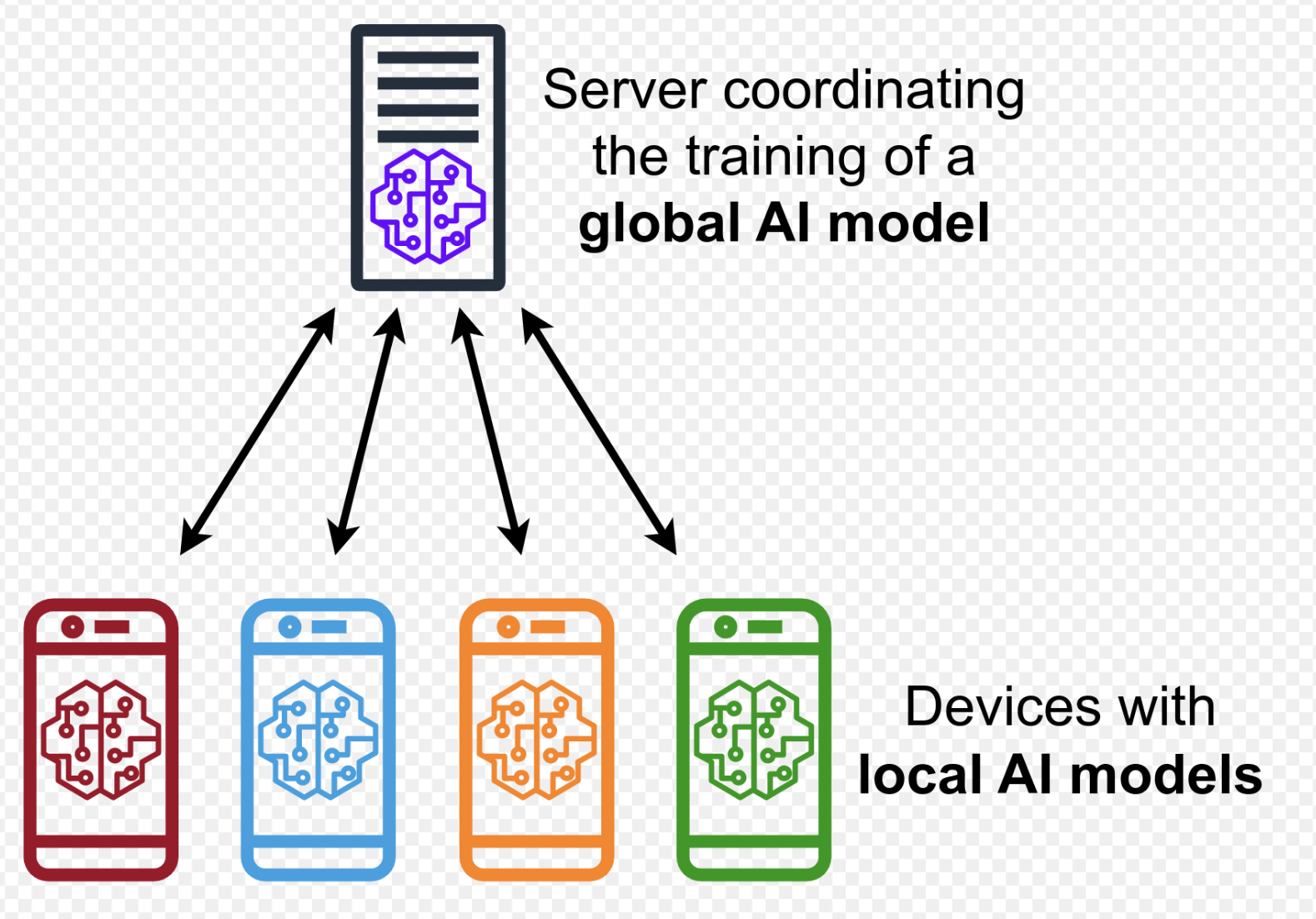
Think of it as a "traveling professor." Instead of flying all the students to one university (putting sensitive data in one central server), the professor travels to each city, learns from the local students, and then shares the insights with everyone else—without ever revealing the raw data.
This is already working in the wild. In a study covering 3,000 different setups, teams using federated learning saw an 87.2% jump in GDPR compliance. It means that even direct competitors can safely team up to train AI models, say, for fraud detection or protecting cold-chain shipments without ever risking their proprietary secrets or messing with privacy laws.
AI Phone Agents and the Dispatch Hero
For all our tech, logistics still runs on phone calls, and it's easily the biggest invisible bottleneck in the business. A standard shipment inquiry eats up anywhere from 8 to 12 minutes of someone's day. Even worse, studies show that humans lose or mislog about 60-70% of the critical information discussed on those calls.
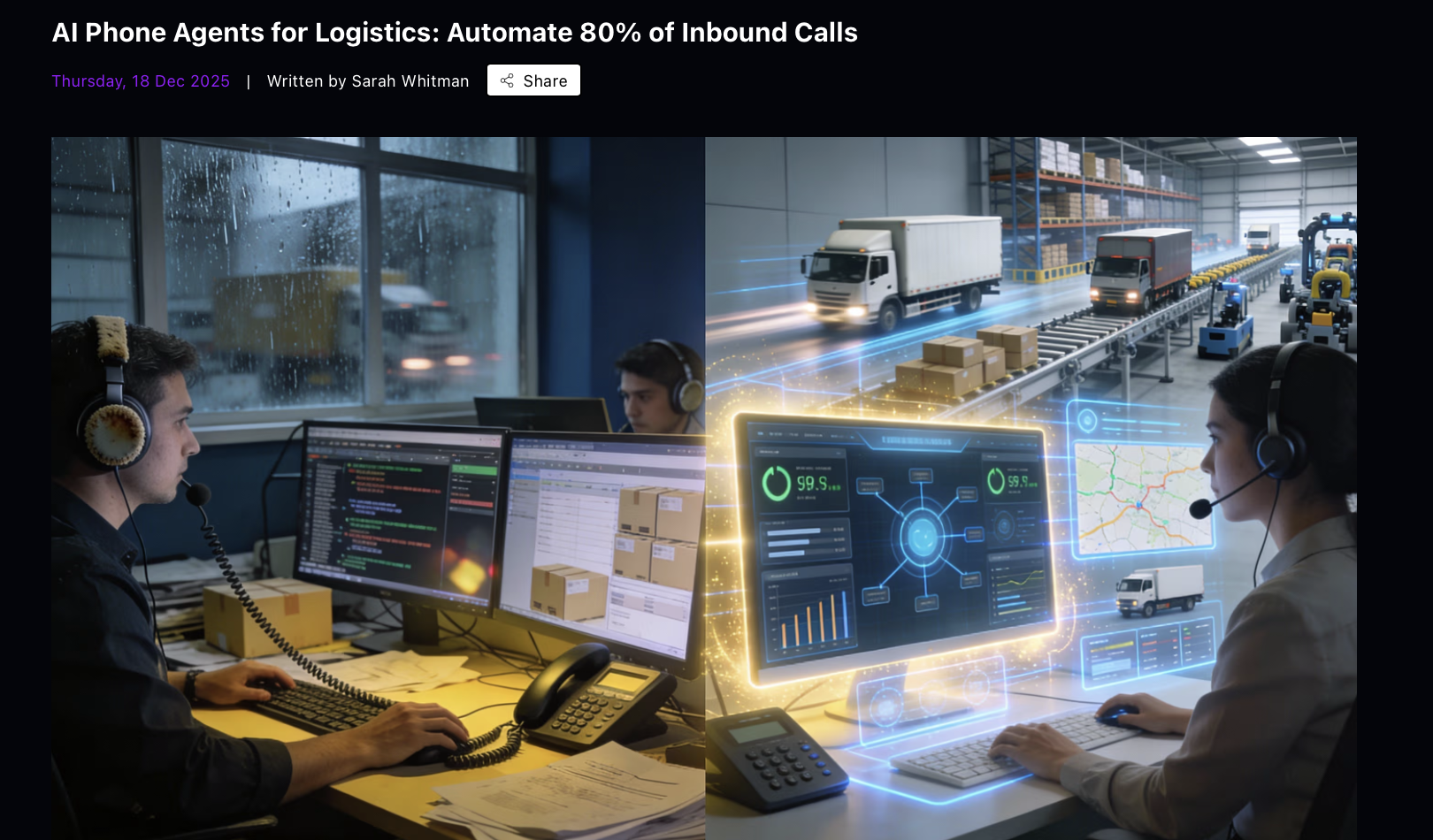
New AI phone agents are finally fixing this. They can handle the bulk of those routine inbound questions in under 45 seconds, and they get the data right 100% of the time. Better yet, they don't just talk to the driver; they instantly integrate with your TMS and update the records in real-time. Look at Midwest Freight Solutions—they hit a 270% ROI in their first year just by automating their dispatch lines. As their team pointed out:
"We stopped answering calls. We started managing operations."
The Resilient Road Ahead
Getting to 2030 isn't about finding one magical piece of software. It’s about seamlessly connecting your data, your AI agents, and your human experts. The companies that dominate this decade won't be the ones throwing money at the flashiest AI tools. They'll be the ones who figure out how to digitize their team's tribal knowledge and build a supply chain system that actually heals itself when things go wrong.
So, as you start laying out your plans for 2026, you need to ask a pretty blunt question: Are you actually building a resilient, system-based architecture? Or are you just buying a few AI models, crossing your fingers 🤞 and hoping for the best?