
AI Startups
How a Pandemic Pivot Birthed a $1.5B Data Empire

TL;DR
Discover how two founders turned a pandemic setback into a $1.5 billion open-source data integration juggernaut, completely rewriting the rules of the modern data stack along the way.
The Problem That Birthed a Unicorn
If you’ve ever worked in data engineering, you know the headache of moving data from point A to point B. For a long time, the industry relied on clunky and monolithic tools that were painfully expensive and fiercely proprietary.
Then Airbyte came along
Their story is a masterclass in finding a real user pain point. Founders Michel Tricot and Jean (John) Lafleur bonded over this exact frustration.
Michel is the technical wizard. As the former Director of Engineering at LiveRamp, he spent his days scaling ingestion pipelines that chewed through hundreds of terabytes of data daily. He saw firsthand how fragile and unstandardized ETL (Extract, Transform, Load) tools were.
John, on the other hand, brought the entrepreneurial hustle. A serial founder who previously led CodinGame and co-founded StreamNation, he had the operational chops to build a business.

The two met in San Francisco back in 2013—introduced by their wives, who happened to be colleagues. After years of bouncing ideas off each other and tinkering with side projects, they finally decided to take the plunge and start a company in January 2020.
A Pandemic Pivot
Startups rarely get it right on the first try, and Airbyte is no exception. When they got into Y Combinator's Winter 2020 batch, they were actually building a marketing tool called Daxtarity.
Then COVID-19 hit. Marketing budgets vanished overnight, and their entire target audience disappeared. It was a brutal moment, but they did exactly what good product managers do: they got on the phone and talked to users.

Through those interviews, they uncovered a massive yet overlooked problem. Even companies with massive budgets were still hand-coding their own internal data pipelines. Why? Because closed-source tools like Fivetran only built connectors for the mainstream platforms.

Everyone was struggling with the long tail of niche or custom APIs. Michel and John realized no single company could build connectors for the entire internet. The only way to actually solve the problem was to open it up to a community. By July 2020, they pushed the first open-source version of Airbyte.
Flipping the Script To ELT
From a technical standpoint, Airbyte championed the shift to ELT (Extract, Load, Transform).
If you're trying to mine data or run analytics, this approach makes so much more sense. Instead of meticulously cleaning and formatting data before you move it—which is slow and rigid—Airbyte just grabs the raw data and dumps it into your warehouse.
If your business logic changes later, you don't have to do a massive, painful re-sync. The raw data is already sitting there waiting for you.
Their real unfair advantage, though, is the Connector Development Kit (CDK).
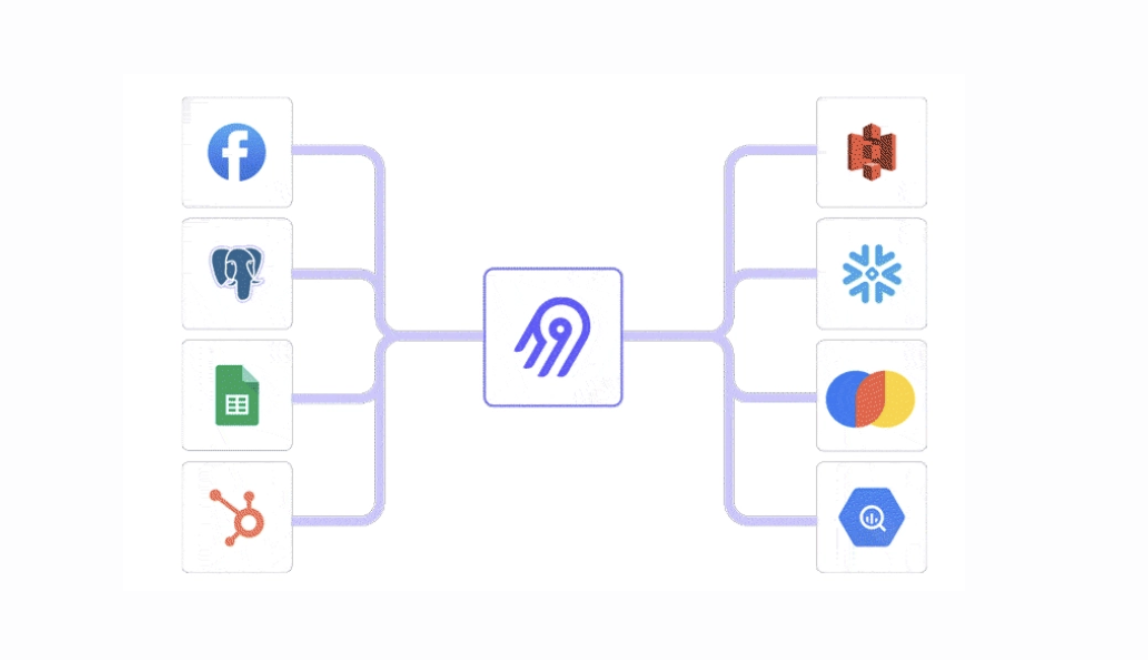
Normally, building an API integration takes days of fighting with awful documentation and messy pagination. The CDK cuts that down to hours. Today, they have over 600 pre-built connectors, mostly maintained by the community. They even rolled out an AI builder where you just paste a URL to an API’s docs and it pre-fills the configuration for you.
Hitting $1.5 Billion in 16 Months
When a product solves a problem this painful, the market reacts fast. Airbyte's 2021 fundraising run was wild.

They raised a $5.2 million Seed round in March. Two months later, Benchmark led a $26 million Series A. By December, they closed a $150 million Series B. In just 16 months, they hit a $1.5 billion valuation. They also brought in angel investors who genuinely understand the infrastructure space, like Elastic’s Shay Banon and MongoDB’s Dev Ittycheria.
Building for the Ecosystem (and Giving Back)
Airbyte hasn’t forgotten its Y Combinator roots (and play the long game for user acquisition in my opinion) .
Through their "Airbyte for Startups" program, they hand eligible YC companies up to $75,000 in Cloud credits. It’s a brilliant growth strategy: help early-stage companies avoid technical debt today, and you organically create enterprise customers for tomorrow.

Internally, they run a pretty modern ship. They have a physical HQ in San Francisco, but their 200+ employees work across 11 countries. They lean hard into transparency (even publishing their pitch decks), offer unlimited PTO, and give 16 weeks of fully paid parental leave.
The AI Era: What’s Next for Airbyte?
As of late 2025, Airbyte is gearing up for the Generative AI revolution, like many other companies do.
With Airbyte 2.0, they drastically sped up transfer speeds and dropped costs.
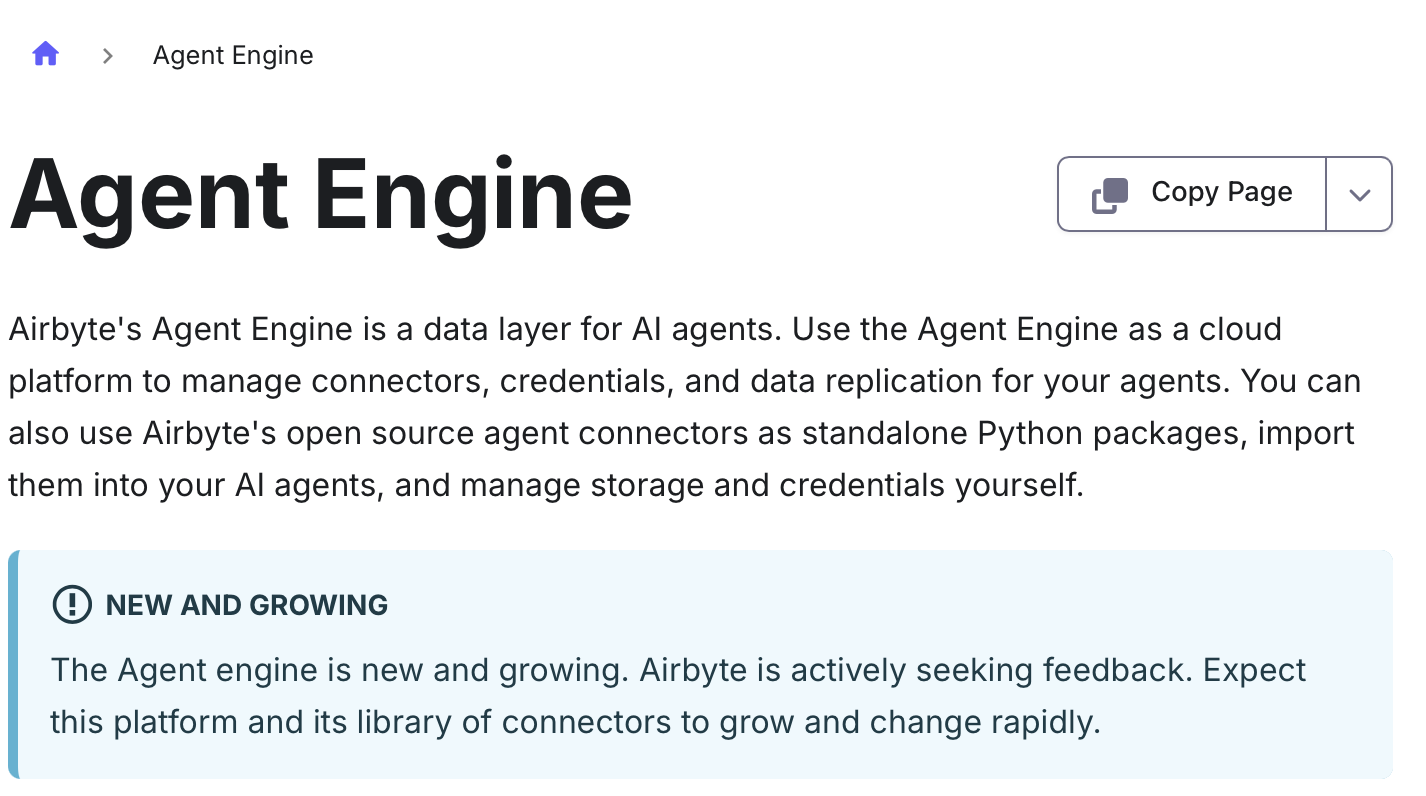
More importantly, they launched the "Agent Engine." As everyone rushes to build AI agents, the biggest roadblock is safely giving those models access to live, internal company data without breaking compliance. Airbyte is positioning itself as that secure bridge. Looking ahead, they are heavily focused on unlocking unstructured data (PDFs, images) and pushing for open formats like Apache Iceberg so companies don't get locked into a single vendor's ecosystem.
The Bottom Line
In a few short years, Airbyte pivoted away from a doomed marketing tool and accidentally built the de facto standard for open-source data movement.
By trusting the developer community and commoditizing the connector layer, they’ve proven that sometimes the best way to conquer a market is to open it up.
Tags
References
- 1.https://airbyte.com/company/startup-program
- 2.https://salestools.io/report/airbyte-headquarters
- 3.https://www.boringbusinessnerd.com/startups/airbyte
- 4.https://tracxn.com/d/companies/airbyte/__msyjFhyA1oYCHhgK3YkbjM6Jfs3I4ehkOtBsvWydrDU
- 5.https://prospeo.io/c/airbyte
- 6.https://pitchbook.com/profiles/company/433405-09
- 7.https://softwareengineeringdaily.com/2021/03/24/airbyte-open-source-data-integrations-with-michel-tricot-and-john-lafleur/
- 8.https://research.contrary.com/company/airbyte
- 9.https://clay.earth/profile/john-lafleur
- 10.https://startuptalky.com/airbyte-success-story/
- 11.https://airbyte.com/blog/the-deck-we-used-to-raise-our-150m-series-b
- 12.https://www.businesswire.com/news/home/20211217005648/en/Airbyte-Closes-%24150-Million-Series-B-Funding-Round-Led-by-Altimeter-Capital-and-Coatue-Management
- 13.https://docs.airbyte.com/community/licenses/license-faq
- 14.https://checkthat.ai/brands/airbyte/pricing
- 15.https://www.integrate.io/blog/airbyte-review/
- 16.https://www.ailoitte.com/insights/a-complete-guide-to-airbyte/
- 17.https://docs.airbyte.com/platform/2.0/move-data/sources-destinations-connectors
- 18.https://curatepartners.com/general/airbyte-cloud-vs-self-hosted-which-deployment-maximizes-security-roi/
- 19.https://airbyte.com/blog/airbyte-cloud-vs-open-source-vs-enterprise
- 20.https://www.fivetran.com/blog/fivetran-vs-airbyte-features-pricing-services-and-more
- 21.https://apix-drive.com/en/blog/other/airbyte-cloud-vs-open-source
- 22.https://airbyte.com/company/about-us
- 23.https://leadiq.com/c/airbyte/5e713ec51d6f06b382959540/employee-directory
- 24.https://airbyte.com/blog/airbyte-platform-winter-2025-release
- 25.https://www.businesswire.com/news/home/20250204564461/en/Airbyte-Expands-Leadership-Team-to-Build-on-Companys-Growth
- 26.https://docs.airbyte.com/release_notes/
- 27.https://www.hpcwire.com/bigdatawire/this-just-in/airbyte-announces-industry-leading-5000-data-connectors-built-with-no-code-builder/
- 28.https://docs.airbyte.com/platform/2.0/connector-development/connector-builder-ui/overview
- 29.https://www.indeed.com/cmp/Xbyte-Technologies/reviews
- 30.https://www.gartner.com/reviews/product/airbyte
- 31.https://airbyte.com/company/careers
- 32.https://www.salary.com/research/company/airbyte-salary
- 33.https://gtmnow.com/gtm-169-airbyte-open-source-to-enterprise-gtm-michel-tricot/
- 34.https://growthcapadvisory.com/the-standard-for-data-integration-airbyte-ceo-michel-tricot/
- 35.https://www.builtinsf.com/company/airbyte
- 36.https://www.accel.com/companies/airbyte
- 37.https://www.accel.com/noteworthies/open-sourcing-the-new-data-stack-our-seed-investment-in-airbyte
- 38.https://sacra.com/c/airbyte/
- 39.https://slab.com/library/templates/airbyte-working-remotely/
- 40.https://handbook.airbyte.com/
- 41.https://airbyte.com/company/press
Founder’s Note
This article is the result of deep-dive research into ai startups trends. If you need this level of intelligence for your specific niche, check out our Founder Decision Memos.
See Consulting ServicesShare this post
Weekly Brief
Get the TWK Weekly Brief
One concise email each week covering the biggest tech and AI startup moves worth your time.
- IncludedTop stories distilled with plain-English context.
- IncludedStartup signals to watch: launches, funding and product shifts.
- IncludedLinks to source material so you can verify quickly.
Free. Unsubscribe anytime.
Read recent issues →Related Posts
More from AI Startups
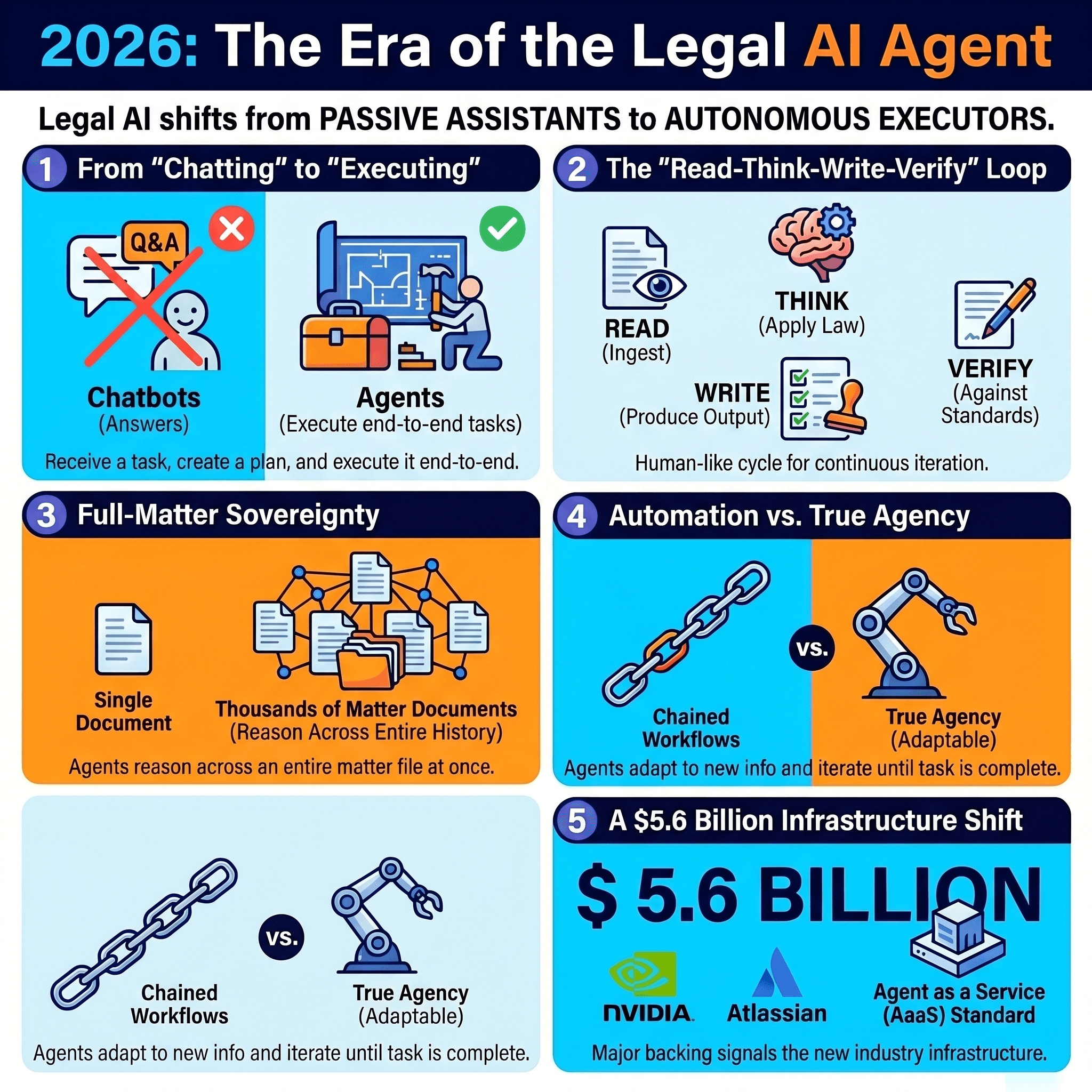
The $5.6 Billion Agent Replacing Harvey Specter?
A deep dive into Legora’s architectural shift and the strategic venture signals behind Nvidia’s entry into the legal tech stack.
Who Keeps the Lights On When the Last Expert Retires?
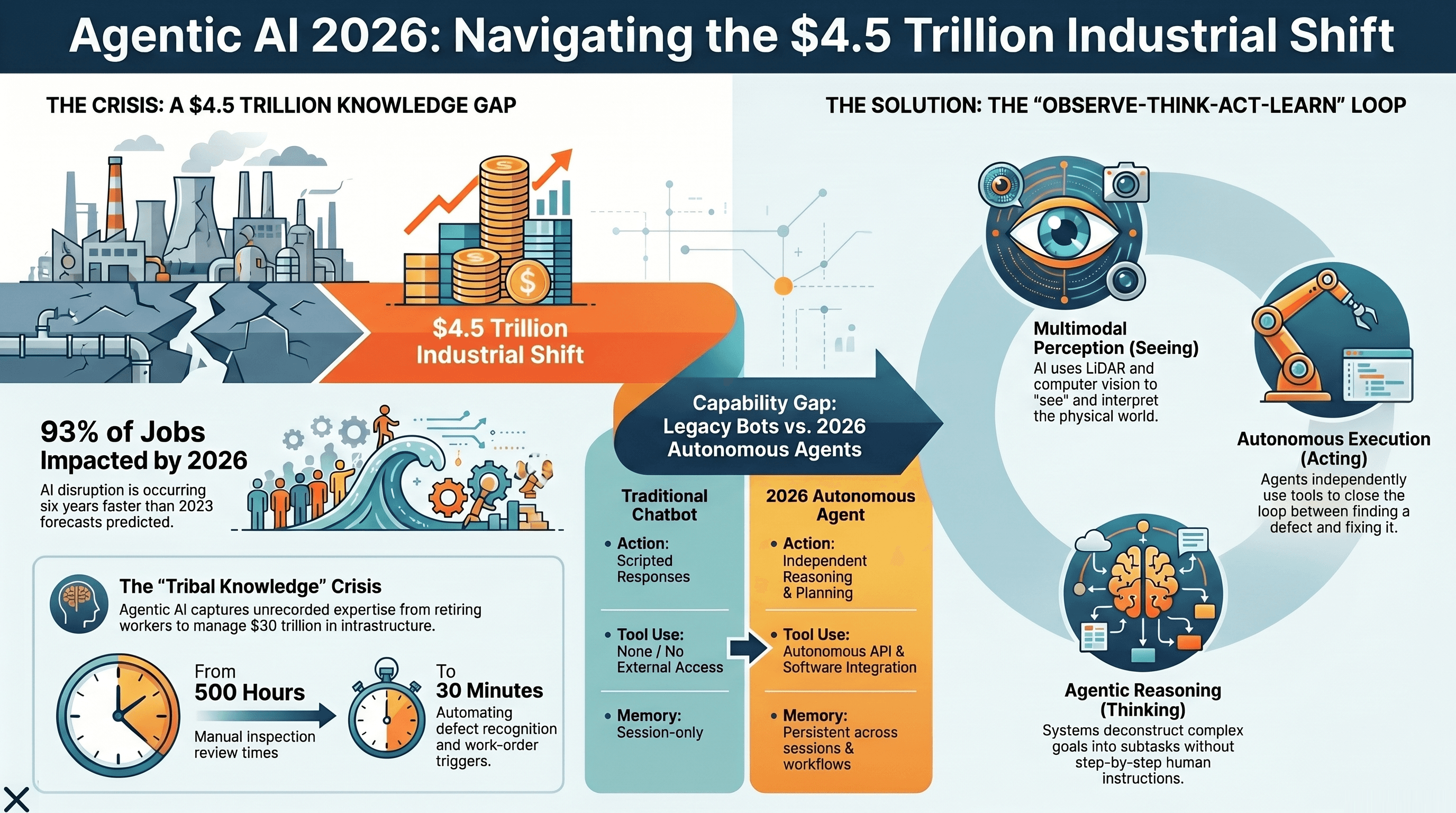
The energy grid is hemorrhaging its most irreplaceable asset — human expertise. As aging infrastructure crumbles and veteran engineers retire in droves, Cloneable's Agentic AI is doing the unthinkable: bottling decades of expert knowledge and deploying it at scale, before the last person who knows how to keep the lights on walks out the door.

Move Over, Tech Bros: Why a 17-Year-Old Needed His Dad’s Signature to Build the Next Billion-Dollar AI Startup
In a record-breaking $300 billion Q1 venture market, a trio of teenagers casually built a $1 billion AI unicorn designed to kill the traditional focus group. Here is the inside scoop on how Aaru is replacing human surveys with synthetic audiences.