AI Startups
The $5.6 Billion Agent Replacing Harvey Specter?

TL;DR
A deep dive into Legora’s architectural shift and the strategic venture signals behind Nvidia’s entry into the legal tech stack.
From E-Sports to High-Stakes Law
Max Junestrand famously walked away from a multimillion-dollar professional gaming career.
He traded high-stakes World of Warcraft raids for the leadership of a $5.6 billion legal powerhouse. This career pivot reflects a broader forced architectural migration in the legal sector.

For decades, the industry functioned as a factory for manual document review and time-intensive grunt work. Junestrand argues the sector is now hitting a step-change as significant as the arrival of the internet.
The capital markets are clearly paying attention. Legora recently finalised a $600 million Series D funding round that included the weight of Nvidia’s venture arm.

Legora jumped from $1 million to $100 million in ARR in just 18 months. That is the fastest trajectory in European software history. This is a fundamental reconfiguration of how professional services operate and scale.
Takeaway 1: The Birth of Agent as a Service
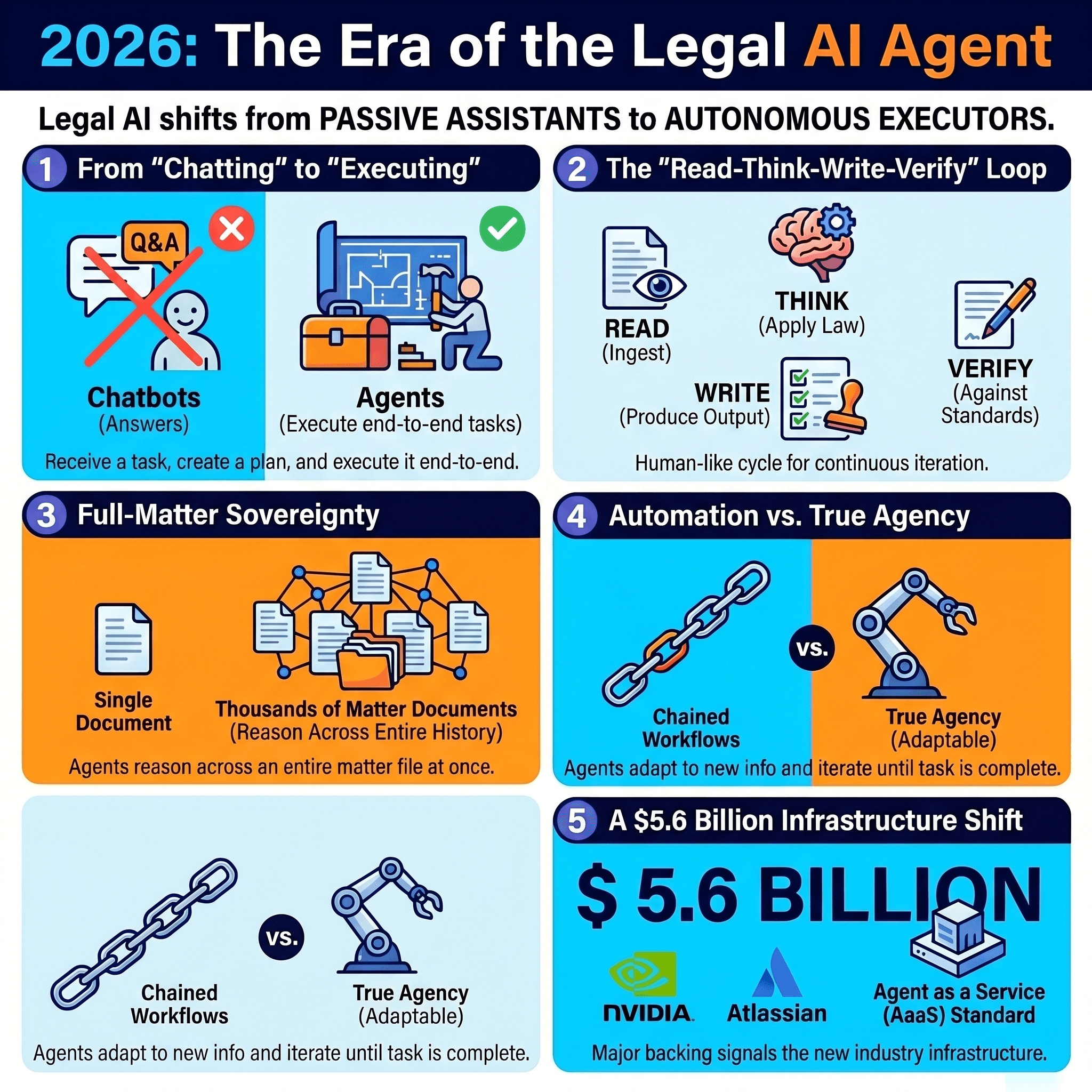
The legal tech industry is rapidly abandoning the assistive chatbot era. A traditional chatbot receives a question and provides a static answer.
In contrast, an agent receives a task and executes it end-to-end. Legora utilises a specific methodology described as "Read, Think, Write, Verify."
This process allows the AI to ingest unstructured information and apply deep domain knowledge. It produces a structured output while checking that output against established standards.

This transition represents a definitive move from Software as a Service (SaaS) to Agent as a Service (AaaS). Rather than following a predetermined path, the agent assesses what it knows and decides on the next action. It pulls in the necessary skills and context as the work demands.
Foundation models are improving rapidly, but the real breakthrough is in how they're applied, where AI doesn't just assist, but executes autonomously with the right level of human oversight. With the support of our investors and customers, we're building a full agentic operating system for legal work.
Takeaway 2: Why Nvidia’s Entry is a Massive Compute Signal
The decision by NVentures to make its first-ever investment in legal tech is a strategic play on "inference."
NVentures is systematically backing companies that represent the highest-volume and highest-complexity deployment environments. Legal work is uniquely compute-intensive. It requires nuanced reasoning across massive volumes of unstructured text while managing jurisdictional nuance.
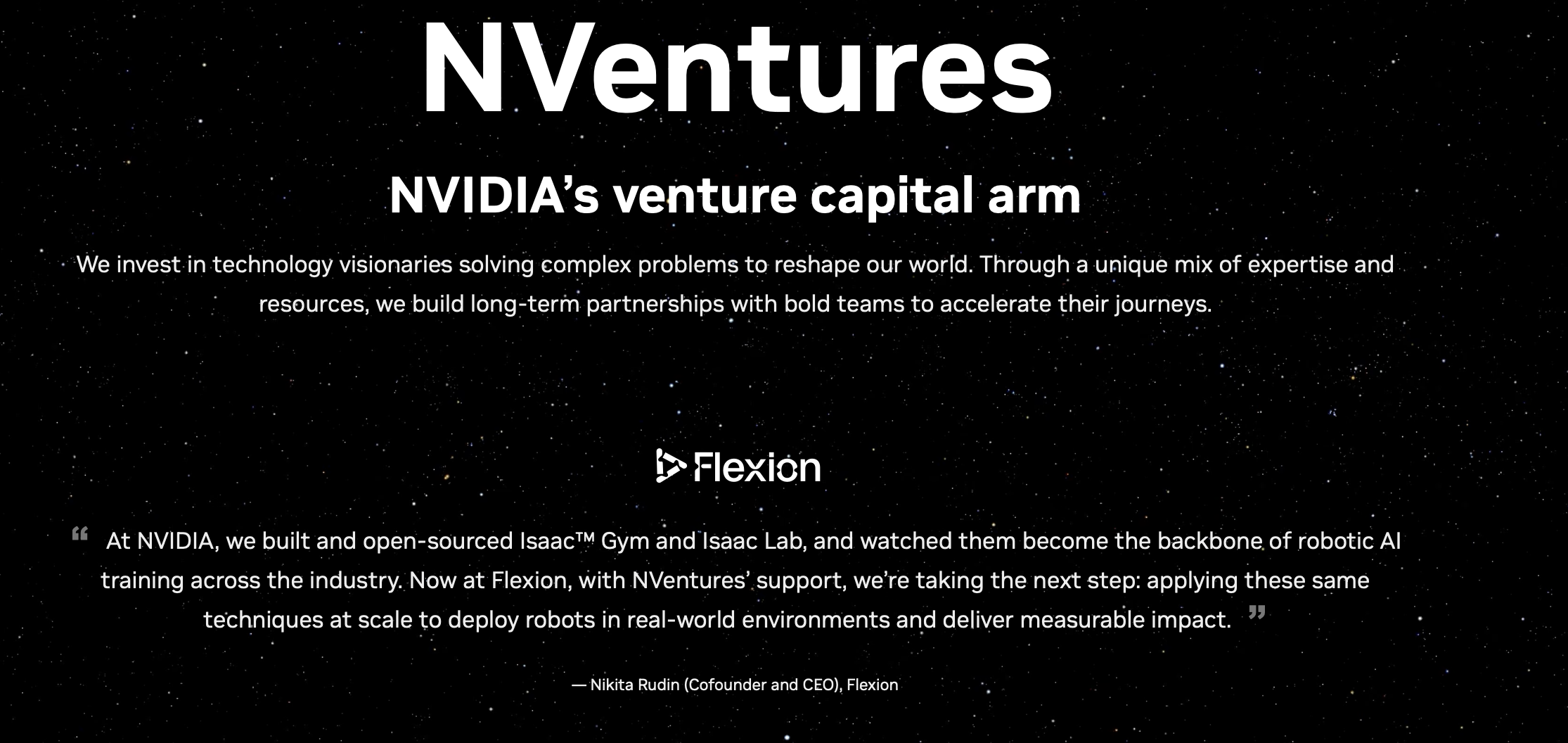
This investment positions Legora as an infrastructure play rather than a software tool. Nvidia typically backs high-complexity environments because they drive permanent GPU demand. Training happens once, but running the agents happens forever. By supporting the infrastructure that legal professionals use for agentic workflows, Nvidia secures a foothold in a sector where the money lives in the execution layer.
Takeaway 3: The Jude Law Effect and the Battle for BigLaw’s Vibe
Legora has effectively ditched traditional B2B marketing for something much more aggressive.
The "Project Alfie" campaign features actor Jude Law and a cool jazz soundtrack. This high-production approach is designed to break through the conservative and paternalistic culture of elite law firms. It attempts to make legal software feel bold and charming.

The company is also "market-capping" through strategic acquisitions like Walter AI and Qura. The purchase of Qura is particularly significant for building a long-term moat. Qura provides a precise retrieval engine with deep connections to EU legal databases. This move allows Legora to build its own "road system" of legal information. This creates strategic independence from data-monopolists like Thomson Reuters and LexisNexis.
Takeaway 4: The Moat Debate and the Sovereign Citadel
Skepticism remains high within the r/legaltech community despite the corporate success. Critics often describe these platforms as wrappers for frontier models like Claude.
They argue that if a firm can access an API directly, the specialised platform’s value might evaporate. This "Wrapper vs. Sovereign" argument questions whether integrations with iManage and Word provide a durable distribution moat.
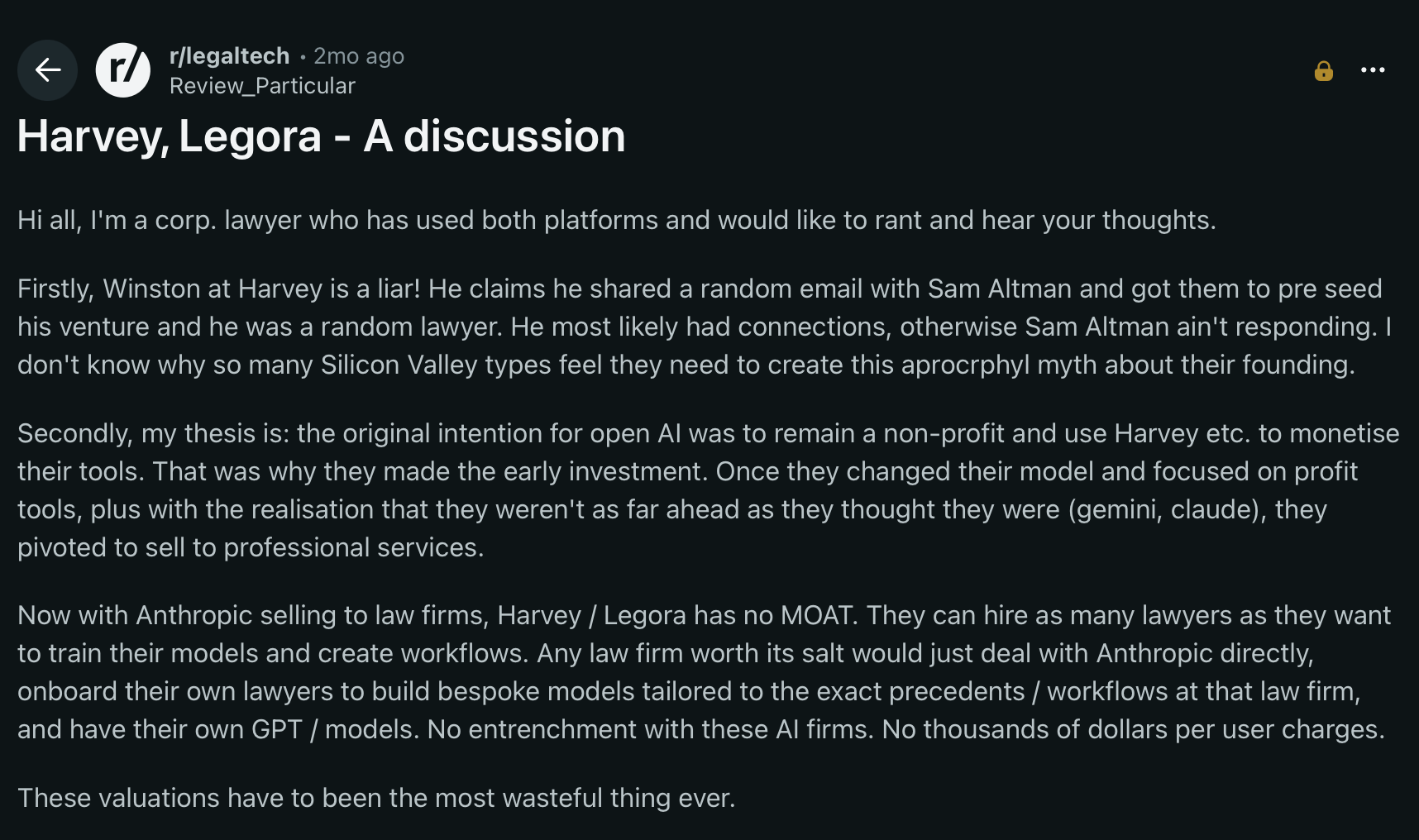
The "Buy vs. Build" tension is reaching a boiling point. Some 22-lawyer boutique firms are already ditching expensive platforms for internal solutions built on raw models. They are constructing "Sovereign Citadels" to avoid the perpetual SaaS tax and reclaim their data.
Large law firms investing capital to become a distribution channel for products designed to supplant them is even more nuts. They're basically licensing their brand, one of the only assets they have, to software companies which will ultimately compete against them.
Takeaway 5: Training the Next Generation in the Ivory Tower
The Legal AI Scholars Program ensures Legora is embedded in the legal education system from day one. Founding members include prestigious institutions like Stanford, Northwestern, UCLA, and Cornell. This strategy creates massive vendor lock-in. When law students use professional-grade AI in the classroom, they enter the workforce viewing Legora as the industry standard.

This initiative reduces the training burden on firms. New associates arrive "practice-ready" with AI-enhanced skills in drafting, analysis, synthesis and large-scale document review. By the time these students graduate, Legora has already established itself as the baseline for their professional existence.
The Future of the Billable Hour
Legora claims that lawyers save an average of 4.3 non-billable hours per week using their platform. While these efficiency gains are significant, they raise a provocative question for the industry.
Law firms are currently paying high premiums to license technology that automates their core functions. Are elite firms simply licensing their reputable brands to the very technology companies that will eventually replace them?
BigLaw may effectively be funding its own obsolescence.