
AI Startups
The $100,000 Spy in the Sky: Inside the Startup Rewriting Aerospace Defense

TL;DR
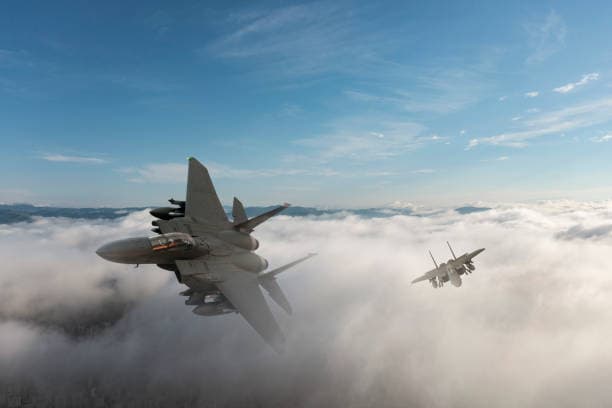
For the last decade, Silicon Valley was obsessed with software. But as global tensions rise, the tech world is waking up to a new reality: code alone can't protect us. Enter Icarus, a startup packed with former SpaceX and elite military engineers, building fleets of solar-powered gliders. By mass-producing these "stratospheric birds" for just $100,000 a piece, Icarus aims to replace expensive satellites and legacy spy planes, turning the extreme environment of 60,000 feet into the ultimate strategic high ground.
Why a Startup is Chasing the Edge of Space
For the last ten years, Silicon Valley has been absolutely obsessed with software. Investors poured billions into apps, SaaS platforms, "AI-powered" something, and digital tools because software is easy to scale. You only write the code once and you can sell it a million times.
But recently, the tech world had a harsh wake-up call. Software might be running the world, but in an era of rising global tensions, code alone can't protect us. You can't hack a physical missile out of the sky with just a clever app. Software needs physical teeth.
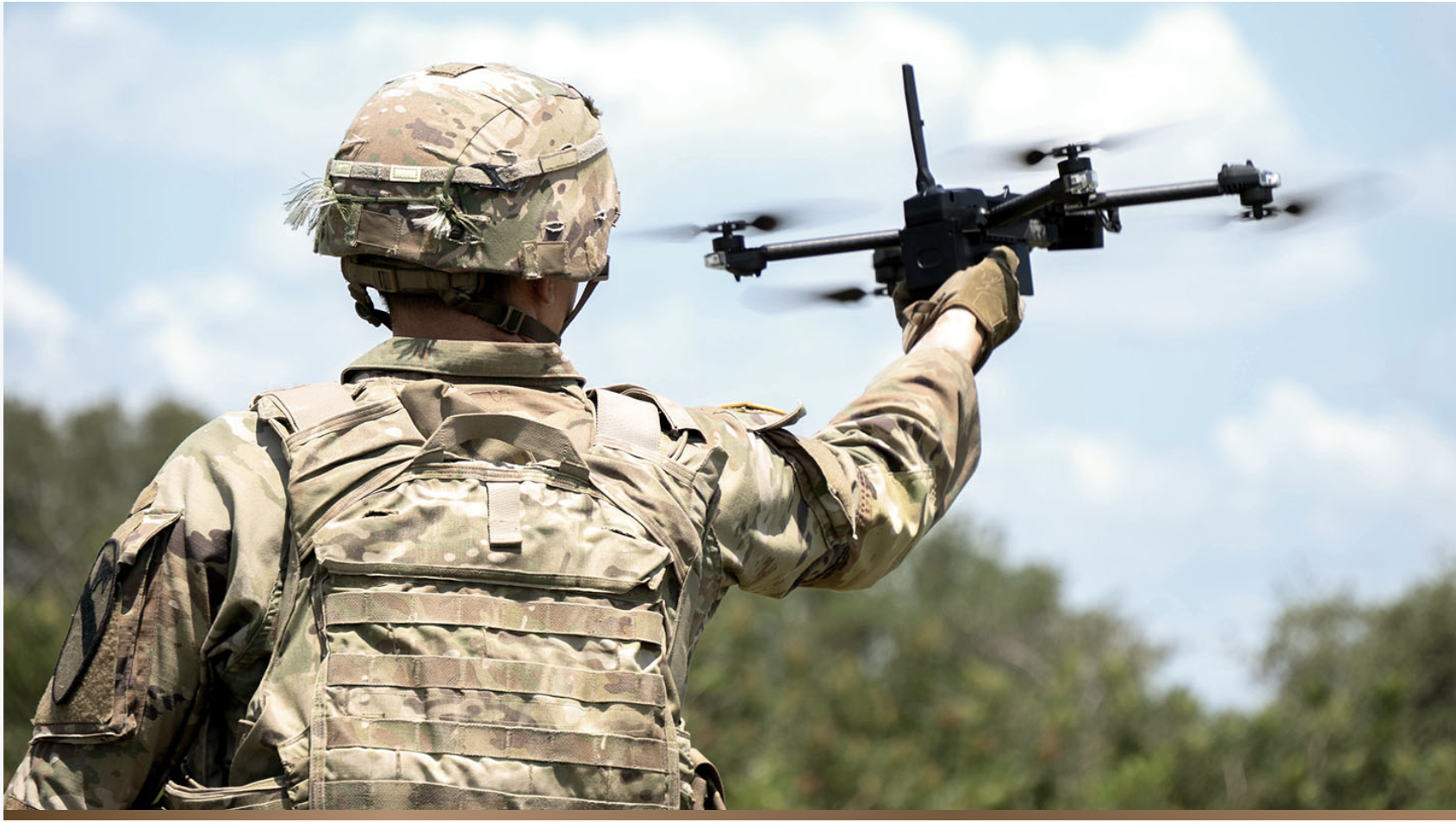
Because of this, we are seeing a massive shift. The brightest minds and the deepest pockets in venture capital are suddenly pivoting back to hardware—specifically, defense tech.
And right at the front of this pack is a Y Combinator-backed startup called Icarus. They are building a fleet of solar-powered aircraft designed to conquer a part of the sky we’ve practically ignored: the stratosphere.
Why 60,000 Feet is the Ultimate High Ground
To understand why Icarus is such a big deal, you have to look at how we currently use the sky.
Right now, we basically have two options.
We can fly traditional planes and drones below 50,000 feet, where they have to constantly battle thunderstorms, dodge commercial flights, and worry about getting shot down by ground-to-air missiles.
Or, we can spend billions of dollars to strap a satellite to a rocket and blast it into Low Earth Orbit. The problem with satellites? They are incredibly expensive, you can't fix them if they break, and they orbit so fast that they only get a brief glimpse of a specific area before zipping away.
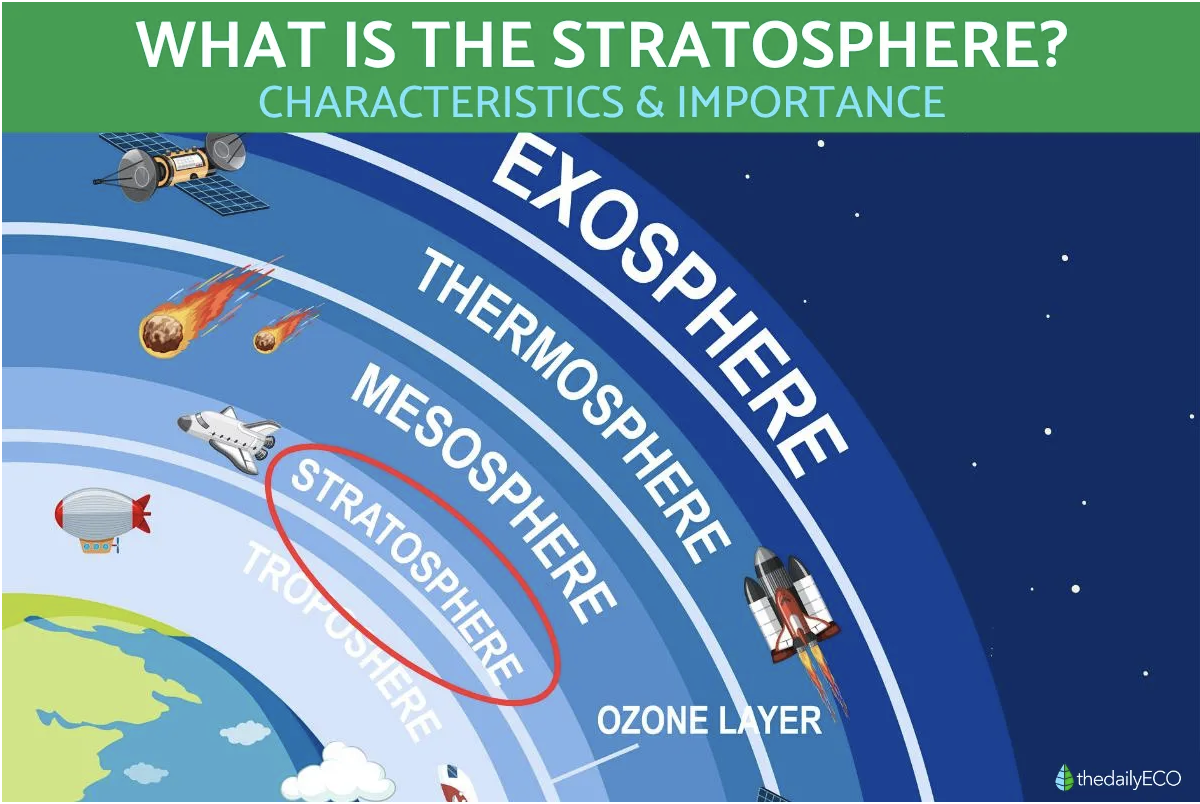
But sandwiched between those two zones is the stratosphere—roughly 60,000 feet up. It’s a brutal environment. The air is incredibly thin, and temperatures regularly drop below -60°C. Because it’s so hostile, most aerospace companies just skip over it.
Icarus sees this as the ultimate missed opportunity. At 60,000 feet, you are flying way above the clouds, which means you have access to uninterrupted sunlight to power your solar panels.
There are no violent storms to crash your aircraft and you are safely out of reach of standard anti-aircraft weapons.
It's the perfect place to hide in plain sight.
The "Builders Only" Dream Team
Icarus was founded in 2023 by Henry Kwan, a former NASA engineer who holds a Top Secret clearance. While designing space habitats early in his career, Kwan got deeply frustrated by how slow, rigid, and wildly expensive the space industry was. He realized there had to be a better way to get eyes in the sky without launching a rocket.

So, he sketched out a design for a solar-powered stratospheric glider, packed up his old 1996 Ford Bronco, and drove across the country to Los Angeles.
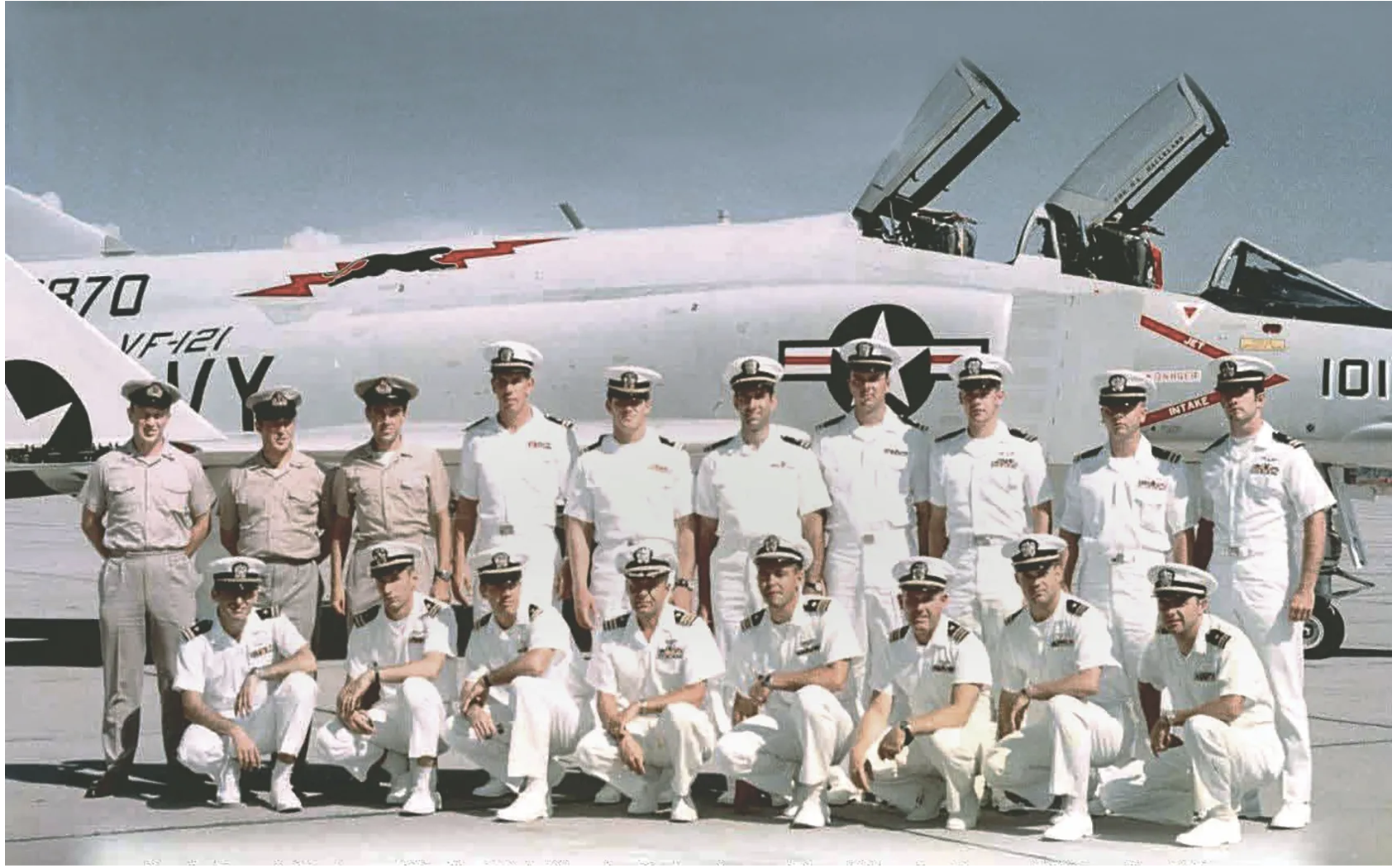
He started aggressively recruiting what Icarus calls an "elite sports team." He poached hyper-competitive engineers from SpaceX, Tesla and even Red Bull Racing's Formula 1 team. He then paired them up with former Top Gun instructors and Army Apache pilots who actually know what it’s like to be in a combat zone.
Their company culture is intense.
Job postings explicitly warn away "tourists."
There are no all-day strategy meetings or endless PowerPoint presentations. It’s just raw engineering, rapid prototyping and dragging equipment out to the Mojave Desert at 4:00 AM to test it in the real world.
Meet APOLLO: The $100,000 Spy in the Sky
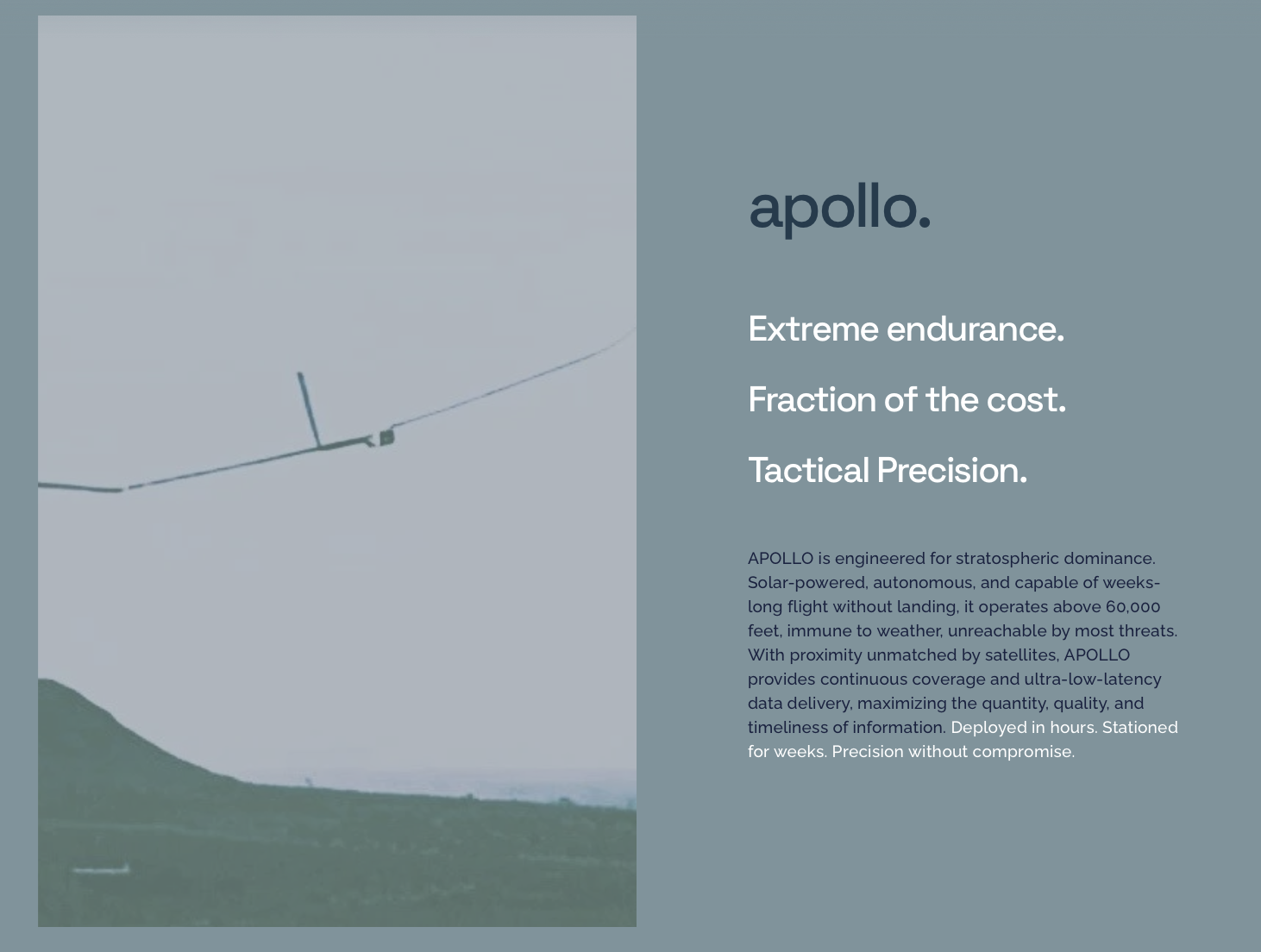
All that relentless engineering birthed APOLLO, a fully autonomous, solar-powered aircraft that took its first successful flight in 2024. APOLLO is designed to fly up to the edge of space and just... stay there. It can circle a specific area for weeks or months at a time, completely unblinking, running purely on the sun.
But the most mind-blowing thing about APOLLO isn't the battery life; it's the price tag.
Legacy high-altitude spy planes, like the famous U-2, cost tens of millions of dollars. They require massive runways, specialized fuel and huge ground crews. Because they are so expensive, the military is terrified of losing them.
Icarus engineered APOLLO to cost just $100,000.
Instead of guarding one precious, multi-million-dollar drone, a defense agency can buy a massive swarm of APOLLO aircraft. If one of these aircrafts encounters a freak weather anomaly or gets shot down, you just launch another one.
Faster, Cheaper & Closer to Home
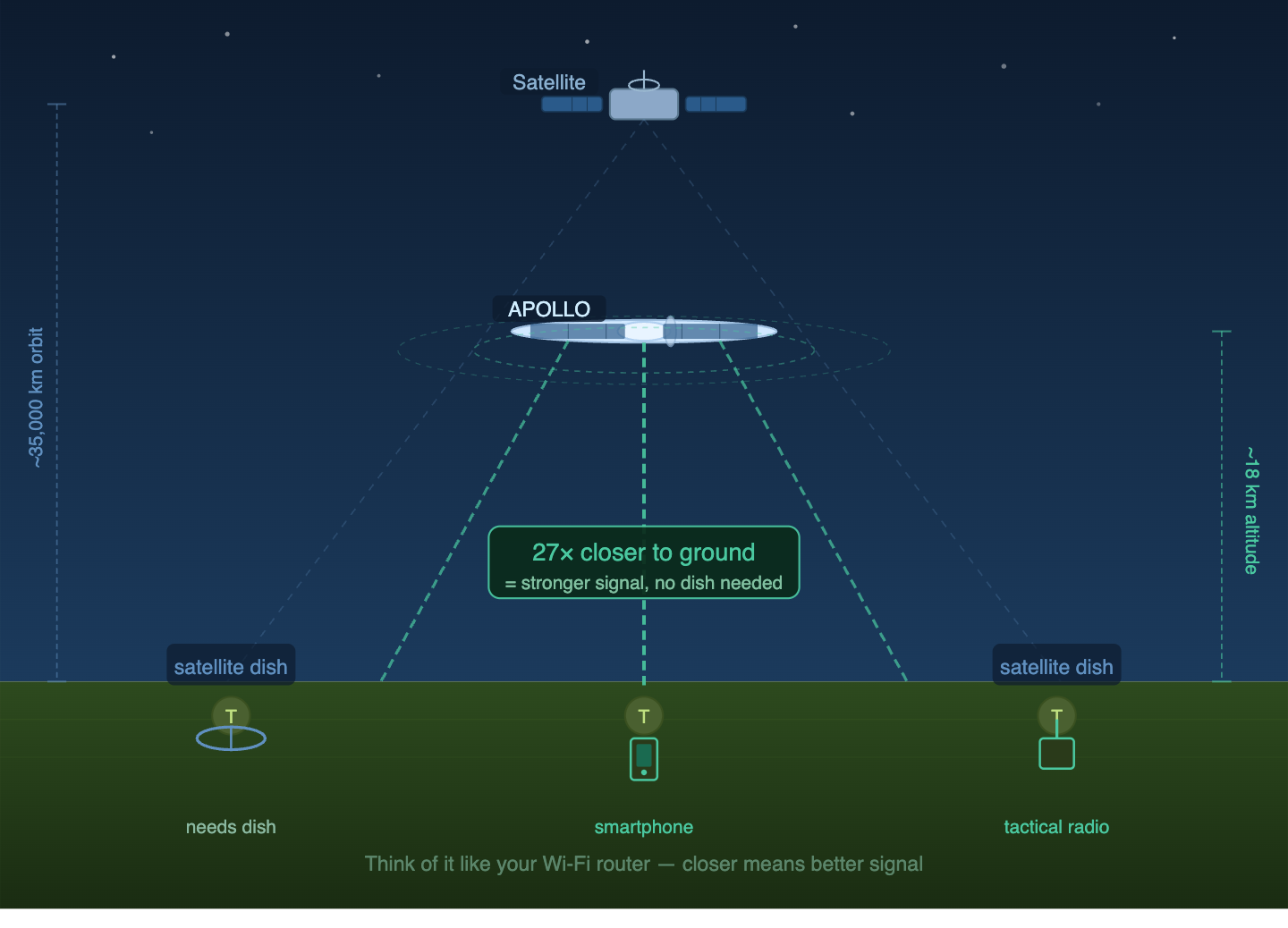
Because APOLLO flies at 60,000 feet instead of way up in orbit like a satellite, it brings incredible perks.
Think about your Wi-Fi router.
The closer you are to it, the better the signal.
Because APOLLO is 27 times closer to the ground than a satellite, it can beam ultra-fast, low-latency data straight to standard tactical radios or even smartphones.
Troops on the ground don't need to lug around heavy satellite dishes anymore. They can get a real-time, high-definition video feed of what's over the next hill directly to their devices instantly.
And the potential goes way beyond the military.
Imagine a massive hurricane wiping out the cell towers and power grid across an entire state. Normally, it would take weeks to restore communication. But with this technology, a fleet of APOLLO aircraft could be launched within hours, flying above the storm to instantly project emergency cell service and Wi-Fi down to the disaster zone, helping first responders save lives.
By taking a Silicon Valley approach to high-altitude flight, Icarus are proving that the edge of space can be accessible, affordable, yet still incredibly powerful.
The New Infrastructure of the Sky
Ultimately, what Icarus is building goes far beyond a single, cost-effective aircraft; they are laying down a completely new layer of infrastructure for the Earth.
As the global defense market actively shifts away from fragile, multi-billion-dollar legacy programs and toward autonomous networks, the company is perfectly positioned to capitalise on the transition.
By fusing the relentless yet iterative culture of Silicon Valley with the rigorous demands of modern military operations, Henry Kwan and his team are effectively colonising the stratosphere.
They have proven that the "Forgotten Frontier" is actually the future of global security, connectivity and disaster response, and they are building that future one $100,000 stratospheric bird at a time.