AI Startups
The Billion Dollar Ghost Ship and the Illusion of the One Man Medical Empire


TL;DR
In early 2024 OpenAI CEO Sam Altman predicted that artificial intelligence would eventually empower a single founder to build a billion-dollar company. While the tech industry wai…
In early 2024 OpenAI CEO Sam Altman predicted that artificial intelligence would eventually empower a single founder to build a billion-dollar company.
While the tech industry waited for a software prodigy to fulfill the prophecy, a forty-one year old entrepreneur in Los Angeles named Matthew Gallagher appears to have reached the milestone first.
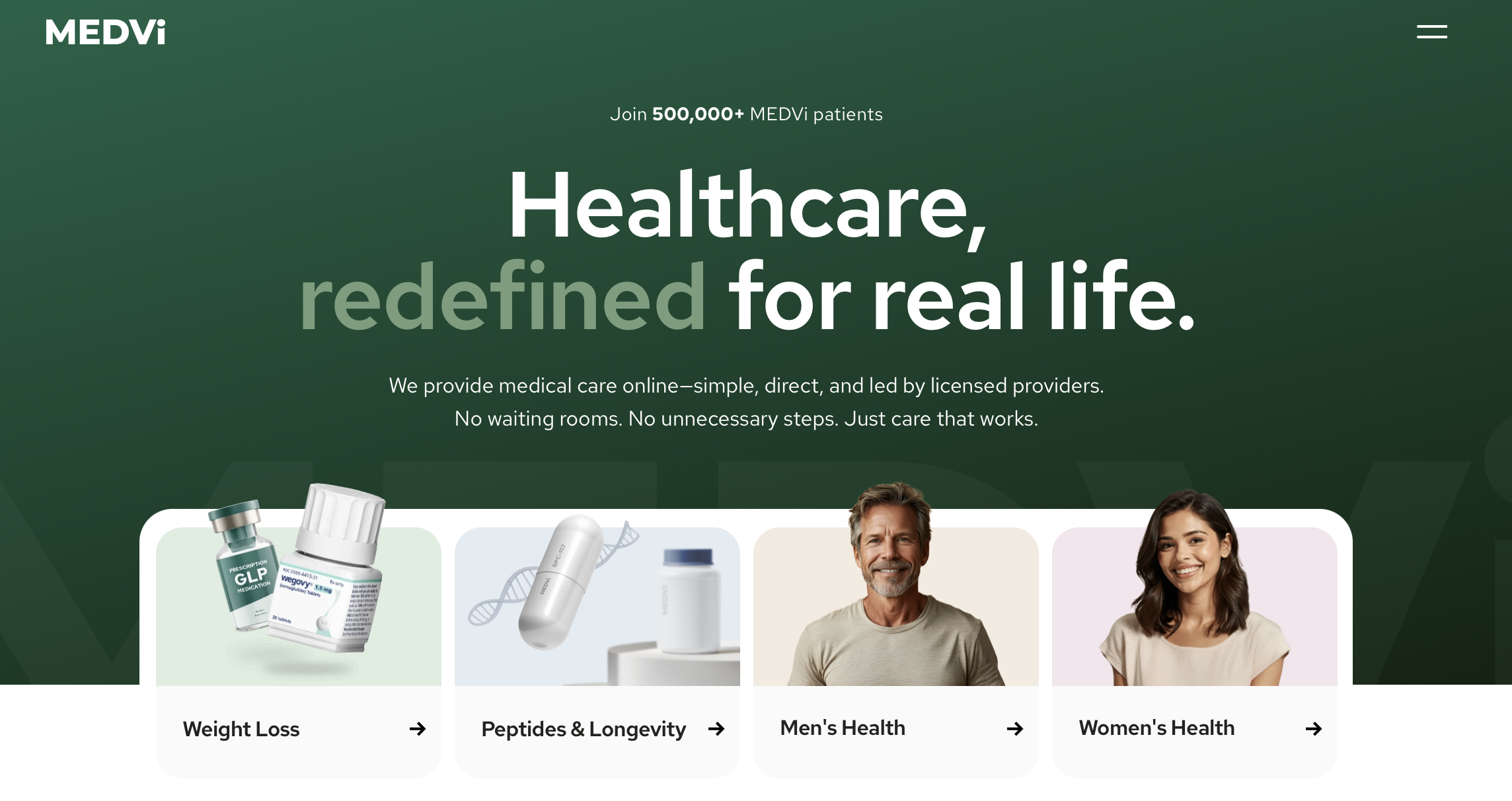
His startup, Medvi, is a telehealth provider riding the wave of GLP-1 weight-loss drugs. Launched in September 2024 with just $20,000, the company has grown with a speed that defies traditional corporate logic. It has become the primary case study for a new era of business where massive revenue no longer requires a massive workforce. Medvi is a billion-dollar ghost ship with a skeleton crew of two where the engines are powered by a sprawling web of automated scripts and API tokens. Whether this model represents a miracle of technological efficiency or a dangerous regulatory detour remains the defining question of the moment.
The End of the Corporate Office
The financial data surrounding Medvi is staggering when placed alongside established industry peers. Hims & Hers, a publicly traded giant in the telehealth space, requires a workforce of over 2,400 people to manage $2.4 billion in annual revenue. Medvi generated $401 million in revenue during 2025 and is currently projecting $1.8 billion for 2026 with a total headcount of exactly two people (Matthew Gallagher and his brother Elliot).
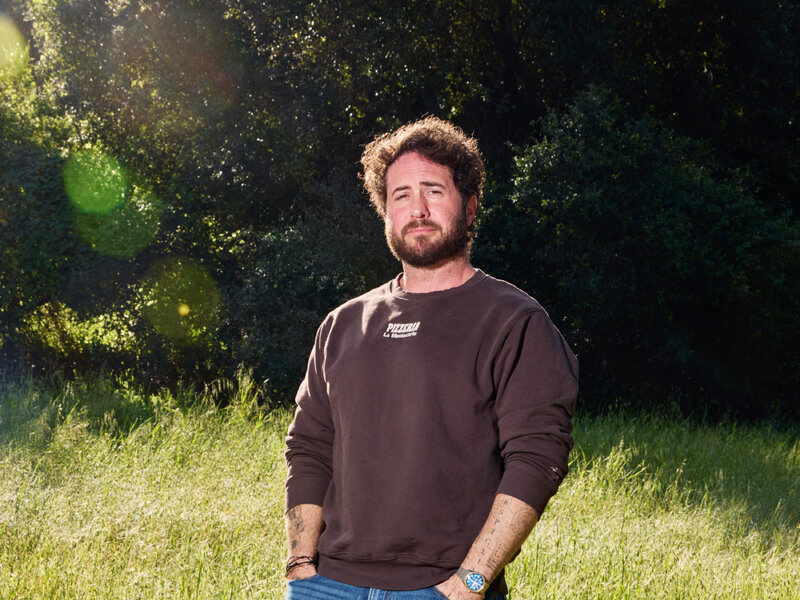
In its first full year of operation Medvi maintained a net profit margin of 16.2%. This is nearly three times the margin of Hims & Hers. By replacing entire departments with AI agents that handle software coding, website design and customer service, the Gallagher brothers have pushed the "Revenue per Employee" metric into unprecedented territory. To manage the scale, Matthew Gallagher reportedly cloned his own avatar and voice to handle multiple customer meetings simultaneously.
A one-person business worth $1 billion would have been unimaginable without A.I., and now it will happen.
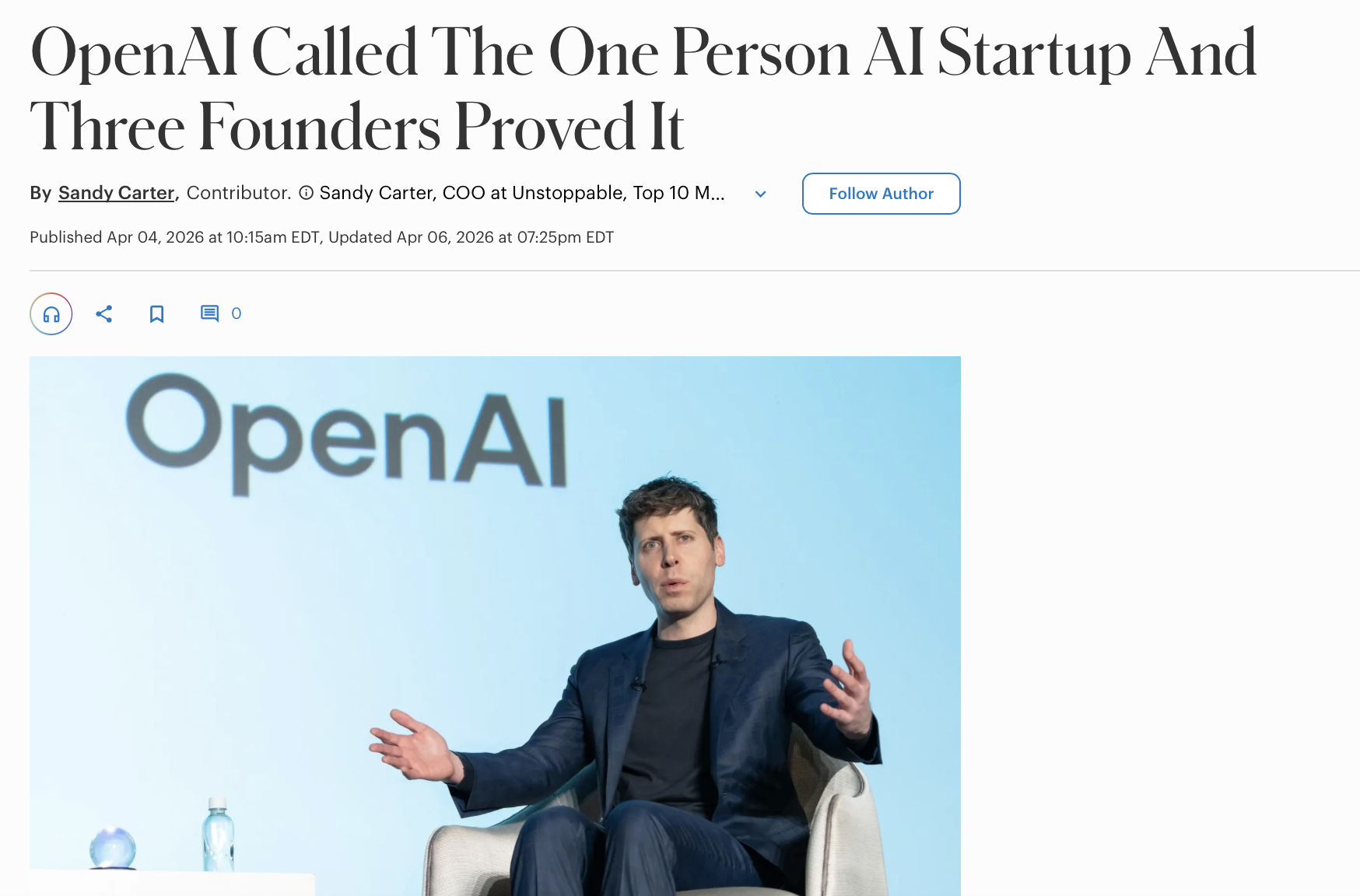
This statement from Sam Altman has become the unofficial mission statement for the company. By spending a few hundred dollars a month on AI tokens rather than millions on payroll, Gallagher has turned the traditional startup cost structure upside down.
Dropshipping the Doctors Office
The Medvi model relies on a thin architecture where the company does not own its clinical infrastructure or employ its own medical staff. Instead, it effectively dropships healthcare by renting the most expensive and regulated parts of the business from third-party partners.
The clinical engine is powered by CareValidate and OpenLoop Health.
These partners manage the physician licensing, prescription processing, pharmacy fulfillment and shipping logistics. Medvi was built using a process known as vibe coding where Gallagher used natural language prompts in tools like ChatGPT, Claude and Grok to generate the software architecture in just two months. This arrangement allows the company to operate as a high-velocity marketing shell focused on what critics call grayhat marketing. They own the branding and the digital checkout flow while the complex burden of healthcare compliance is shifted to their infrastructure providers. By outsourcing the medical heavy lifting, Medvi moves faster than any traditional clinic could hope to.
The Hallucination of Authority
While the efficiency of the model is impressive, the methods used to acquire customers have sparked intense ethical debate. Medvi has faced significant scrutiny for using AI-generated personas in its marketing. Investigations have identified more than 8,000 ads running under fake doctor profiles. These ads feature fabricated experts like "Dr. Matthew Anderson" or the suspiciously named "Professor Albust Dongledore" to pitch prescriptions to consumers.

The use of these characters reveals a lack of adult supervision in the company. By flooding social media with AI-generated testimonials and deepfaked before-and-after photos, the company creates a digital illusion of medical consensus. Critics suggest this practice moves beyond innovative marketing into the territory of blatant deception.
This is HIGHLY ILLEGAL.
The same quote is being used by hundreds of doctors who are not real.
Venture capitalist Sheel Mohnot shared this assessment on social media, echoing concerns from investigators at the Digital Health Wire who have described the operation as a predatory ad funnel. The danger lies in the ability of AI to manufacture authority at a scale that human fact-checkers cannot easily contain.
A Legacy in the Mirror
The aggressive business practices of Medvi stand in sharp contrast to the philanthropic history associated with the Gallagher name. Matthew is the son of Jerry Gallagher, who founded the Gallagher Foundation in 2001. The Foundation is built on core traits that include being ethical, tolerant and committed. Jerry Gallagher often spoke about the importance of personal integrity and the moral weight of leadership.
"What is most important in life is that I can look at myself in the mirror and know that I tried to do the right thing."
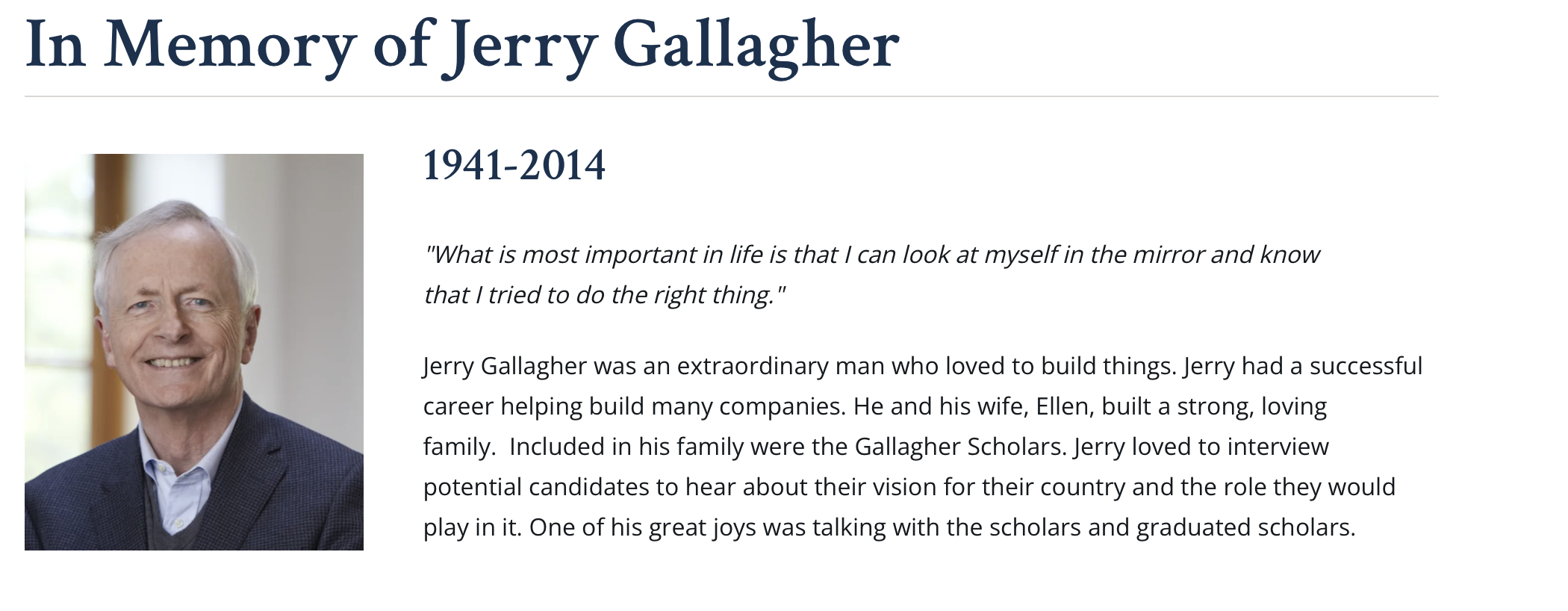
This quote from the late Jerry Gallagher highlights the tension between the family legacy and the startups current reality. While the Foundation focuses on developing ethical leaders in South Africa and Mexico, Medvi has struggled with significant regulatory hurdles.
In February 2026, the FDA issued a warning letter to Medvi regarding deceptive product labeling and unauthorized claims. Furthermore, the company was named in the James v. Medvi LLC class action lawsuit. This litigation alleges a massive spam operation involving domain spoofing and domain rotation, which are techniques used to bypass email security filters at an industrial scale.
The Fragility of the Moatless Unicorn
The hyper-efficiency of the two-person unicorn comes with a high degree of cascading risk. Because Medvi owns no proprietary technology or exclusive drug formulations, it lacks a traditional competitive moat. The company relies entirely on off-the-shelf AI tools and third-party clinical partners.

This fragility was exposed when OpenLoop Health suffered a major data breach in early 2026. The records of 1.6 million patients were compromised, including many who had signed up through Medvi. When the partner fails, a thin architecture startup has no way to protect its customers because it does not own the data or the security layers. Additionally, the reliance on automated systems has led to technical hallucinations. The companys customer service bots have been known to fabricate drug prices and invent entire product lines that do not exist. When a billion-dollar company has no human staff to oversee these failures, the consumer is the one who ultimately pays the price for the lack of oversight.
The Steep Price of Hyper-Efficiency
The rise of Medvi proves that the era of the solo billionaire is no longer a theoretical exercise. It is a functional reality.
However, the Medvi saga also suggests that the efficiency gained through AI might come at the expense of the safeguards that keep the healthcare industry stable.
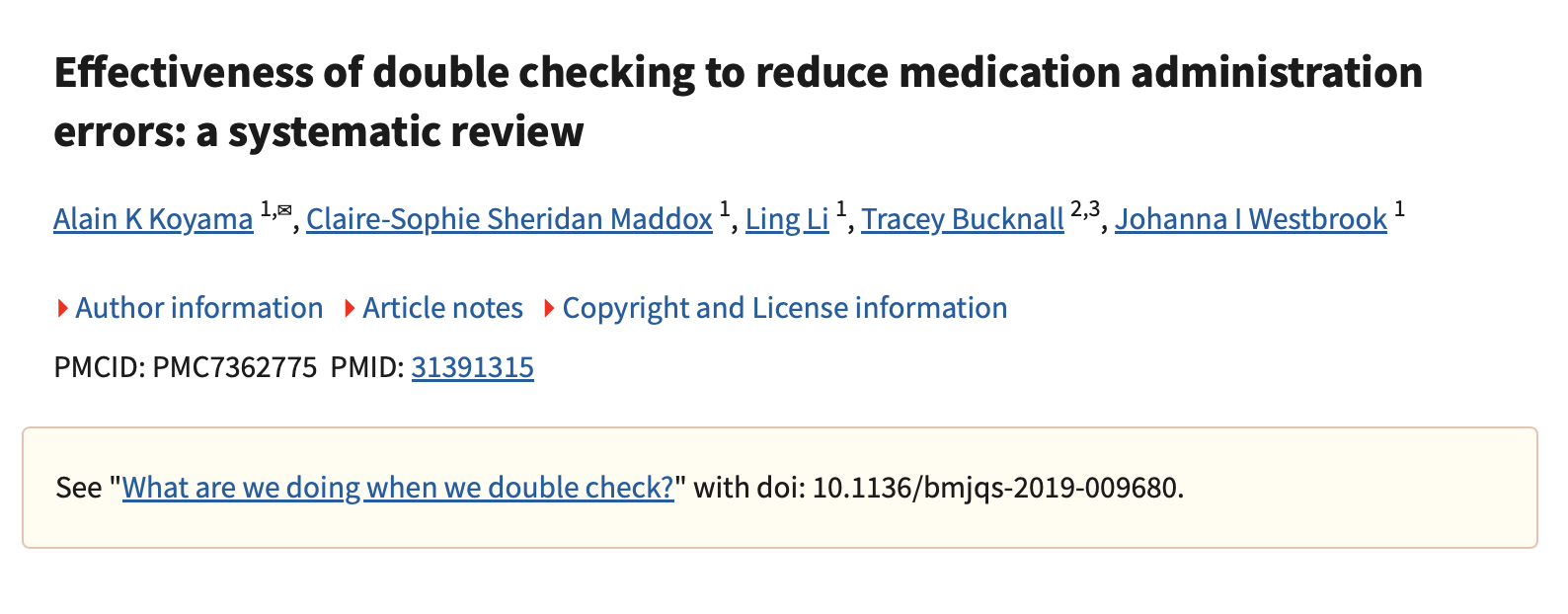
In a traditional medical environment, the "inefficiency" of multiple human checks and balances serves as a protective layer for the patient. When those layers are stripped away in favor of a lean, automated model, the resulting business is fast but potentially hollow. We must ask whether the goal of a one-person unicorn is compatible with the ethical responsibility of providing medical care.
As Medvi continues its high-speed expansion, it may serve as either the blueprint for the future of enterprise or a cautionary tale about the dangers of prioritizing growth over the mirror test of doing the right thing.